
When choosing between a rabbit head with fur vs skinless for dog raw diet routines, the primary difference lies in dietary fiber and manganese content. Fur acts as an insoluble prebiotic that bulks stools and sweeps the digestive tract, whereas skinless heads offer an accessible, calcium-rich raw meaty bone for raw-feeding beginners or sensitive stomachs.
Both options provide rich natural sources of brain tissue, healthy fats, eyes, and edible bone that fulfill ancestral canine nutritional needs. Deciding between them depends on your dog’s digestive tolerance, current bowel health, and chewing experience.
Nutritional Differences: Fur-On vs Skinless Rabbit Heads
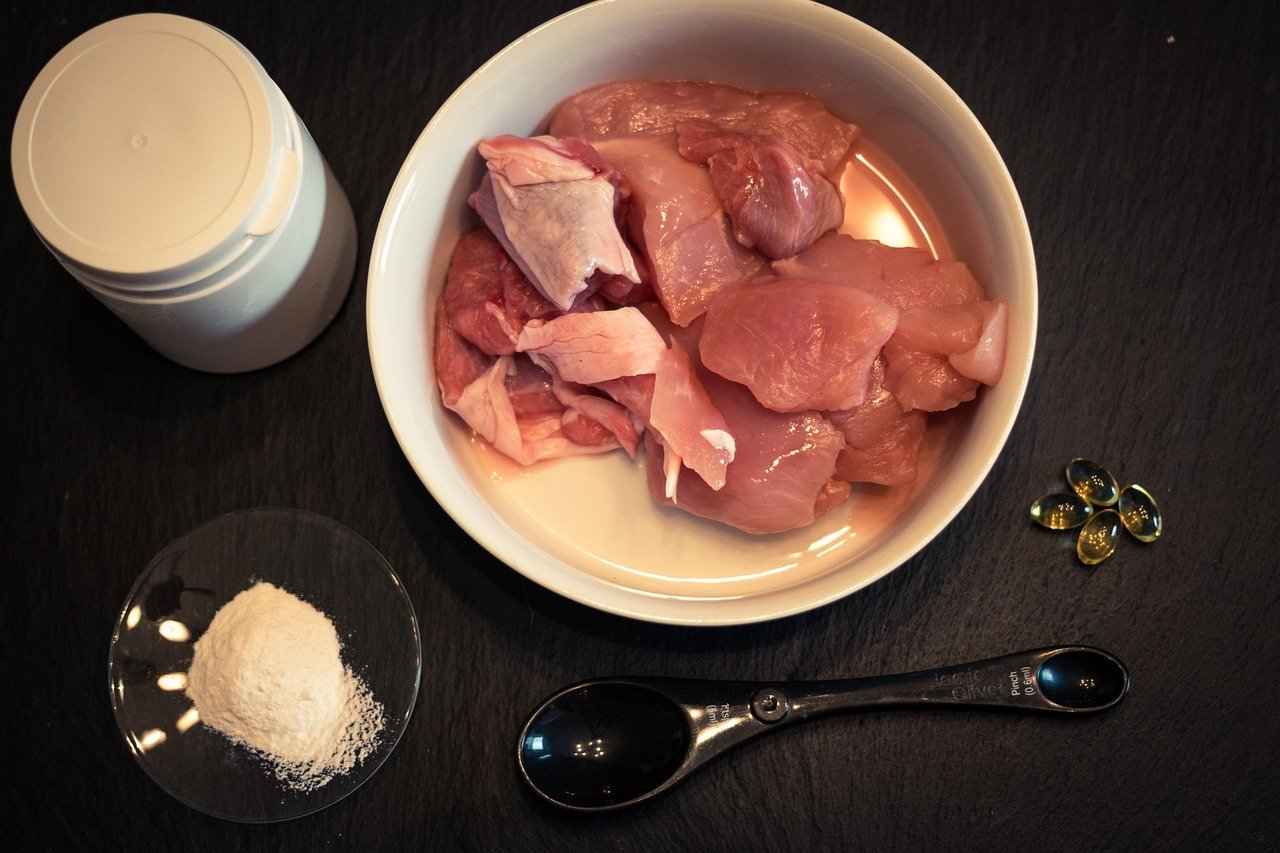
A whole raw rabbit head contains a balanced ratio of edible bone, muscle meat, and nutrient-dense secreting organs. Understanding how pelleted fur alters this nutritional profile allows raw feeders to balance meal formulations accurately.
- Manganese Enrichment: Animal hair is one of the densest natural sources of trace manganese, a vital micro-mineral responsible for canine ligament and tendon health.
- Insoluble Fiber Action: The hair follicle resists enzymatic breakdown in the stomach, creating natural roughage that travels whole through the intestinal tract.
- Secreting Organ Value: Both fur-on and skinless heads contain the brain and eyes, providing essential fatty acids like DHA alongside critical fat-soluble vitamins.
- Calcium-to-Phosphorus Balance: The soft cranial bones present in both cuts supply biologically appropriate, bioavailable calcium with minimal risk of tooth fractures.
By rotating these cuts alongside high-quality single-protein staples like raw rabbit chunks for dogs, pet owners can provide comprehensive ancestral nourishment without artificial supplements.
Digestive and Gut Health Benefits of Feeding Fur
In modern raw feeding philosophies, whole prey components serve functional mechanical roles inside the gut. Fur is not filler; it provides distinct physiological benefits that mimic a wild carnivore’s whole-kill diet.
- Natural Anal Gland Cleansing: Undigested fur binds tightly with digested matter, creating firm, textured stools that naturally express your dog’s anal glands upon defecation.
- Intestinal Tract Sweeping: As hair moves along the mucosal lining, it gently brushes away built-up debris, excess mucous, and potential internal parasite burdens.
- Microbiome Nourishment: Small amounts of fermentable fibrous proteins feed beneficial gut flora in the lower colon, improving nutrient absorption over time.
Adopting an intentional whole animal protein strategy allows you to rely on natural physical mechanics rather than synthetic digestive powders or routine manual gland expressions.
When Skinless Rabbit Heads Are the Smarter Choice
While fur-on rabbit heads deliver superior insoluble fiber, skinless alternatives are often the superior option in specific circumstances. Every dog exhibits unique digestive capacities, and forcing whole prey too quickly can cause gastrointestinal upset.
- Raw Feeding Beginners: Dogs transitioning from commercial dry kibble often possess lower stomach acidity, making skinless heads far easier to digest initially.
- Pancreatic or Sensitive Stomachs: Canines prone to severe bouts of acute pancreatitis or delicate inflammatory bowel conditions thrive on the simplified texture of skinless cuts.
- Owner Comfort and Handling: For pet parents new to novel proteins, skinless cuts offer a cleaner, less confronting visual experience while preparing meals.
Starting with skinless cuts helps establish strong digestive enzymes before graduating to advanced whole-prey components.
Safety, Sourcing, and Transition Protocols in Malaysia
Regardless of whether you choose fur-on or skinless cuts, sourcing hygiene dictates the safety and nutritional value of novel raw items. Humid tropical climates like Malaysia require strict cold-chain management and transparent ethical farming methods.
- Ethical Farming Protocols: Always source from farms utilizing clean forage feeds and zero prophylactic antibiotics to prevent toxic residues in delicate brain tissue.
- Deep-Freezing Guidelines: Freeze all novel raw heads for a minimum of three weeks at minus twenty degrees Celsius prior to thawing and feeding.
- Supervised Chewing Habits: Always monitor your dog during consumption to ensure they chew thoroughly through the cranial plates rather than gulping large fragments.
- Gradual Dietary Integration: Introduce whole novel cuts slowly into your dog’s raw food diet to prevent regurgitation or temporary digestive looseness.
Consistent sourcing from reputable local farms ensures fresh processing standards, unmatched biosecurity, and peak nutrient preservation from pasture to bowl.
Elevating Your Pet’s Ancestral Diet with Rabbitear Farms
Finding clean, reliable sources of hypoallergenic raw proteins shouldn’t be an uphill battle for dedicated pet owners in Peninsular Malaysia. At Rabbitear Farms, we raise pasture-informed, clean-protein rabbits adhering to strict biosecurity and humane handling protocols.
Whether your goal is resolving persistent skin allergies, improving stool consistency, or enriching your dog’s mealtime with mentally stimulating raw bones, our ethically harvested novel cuts provide unrivaled biological value. Visit our online shop today to order fresh, locally farmed whole rabbit cuts and nutritious natural proteins delivered straight to your door.
Frequently Asked Questions
Can feeding rabbit fur cause intestinal blockage in dogs?
No, healthy dogs with proper stomach acidity digest or pass rabbit fur naturally without impaction. Ensure your dog is fully hydrated and supervise them to prevent gulping whole pieces.
How often should I feed a rabbit head to my dog?
A rabbit head should be fed 1 to 2 times per week as the raw meaty bone and secreting organ portion of a balanced meal plan. Adjust frequency based on your dog’s overall weekly bone intake and stool firmness.
Does rabbit fur naturally deworm dogs?
Fur acts as a physical broom that can sweep adult parasites and eggs out through the stool, but it is not a complete medical substitute for veterinary parasite prevention.
Are the brain and eyes in a rabbit head safe for dogs to eat?
Yes, raw brain and eyes are exceptionally nutrient-dense secreting organs packed with essential fatty acids, DHA, and vitamin A. They should be calculated as part of your pet’s organ allocation.
Is rabbit head bone soft enough for small dogs to chew?
Yes, rabbit skulls consist of relatively thin, pliable bones that small to medium dogs can easily crush. Always supervise smaller breeds to ensure they chew rather than swallow large bone pieces.
Learn more at rabbitearfarms.com.
