

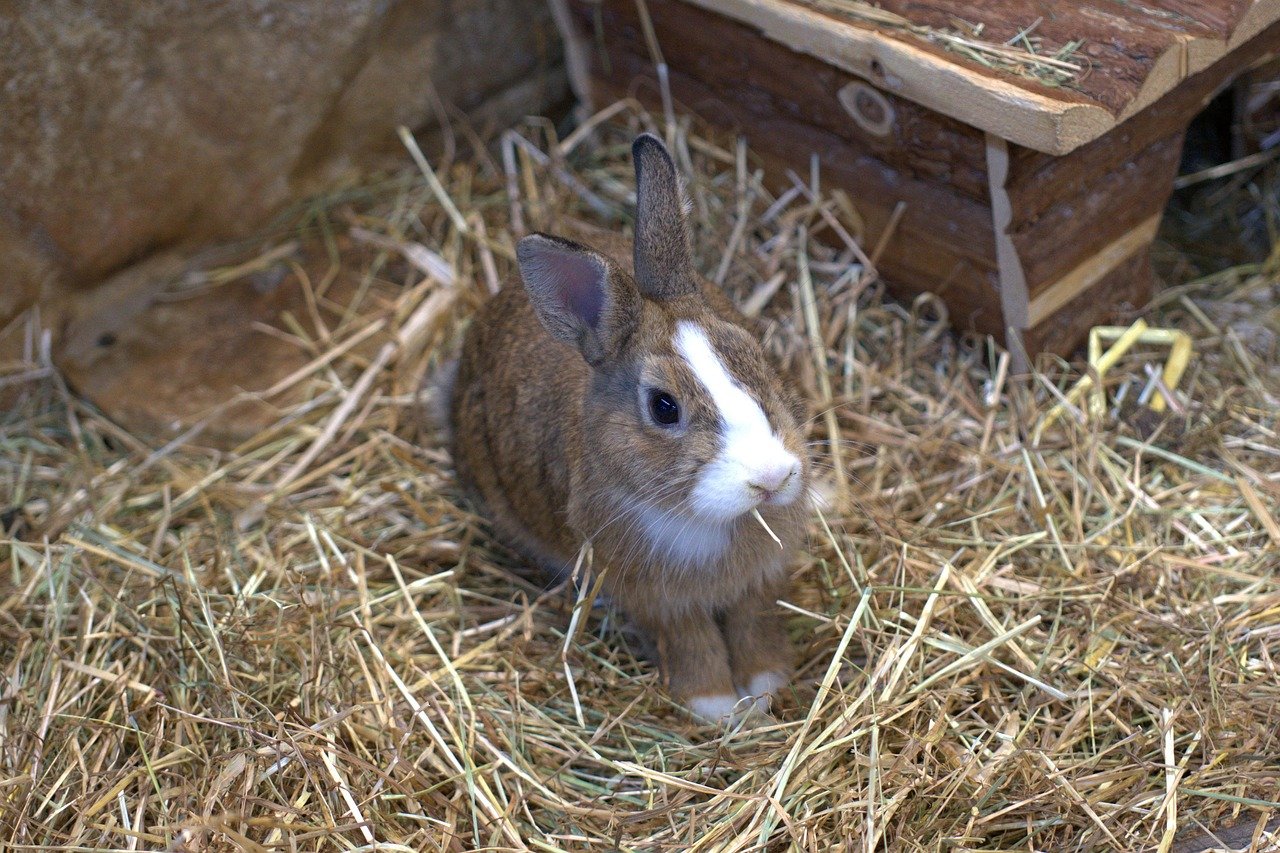
Commercial New Zealand White rabbit farming in Malaysia is a rapidly expanding micro-livestock sector focused on producing lean, hypoallergenic meat and novel protein treats. This specific breed thrives in tropical commercial setups thanks to its fast growth rate, exceptional meat-to-bone ratio, and strong maternal instincts. For local culinary enthusiasts and raw-feeding pet owners across Peninsular Malaysia, it represents an eco-friendly alternative to conventional mass-market livestock.
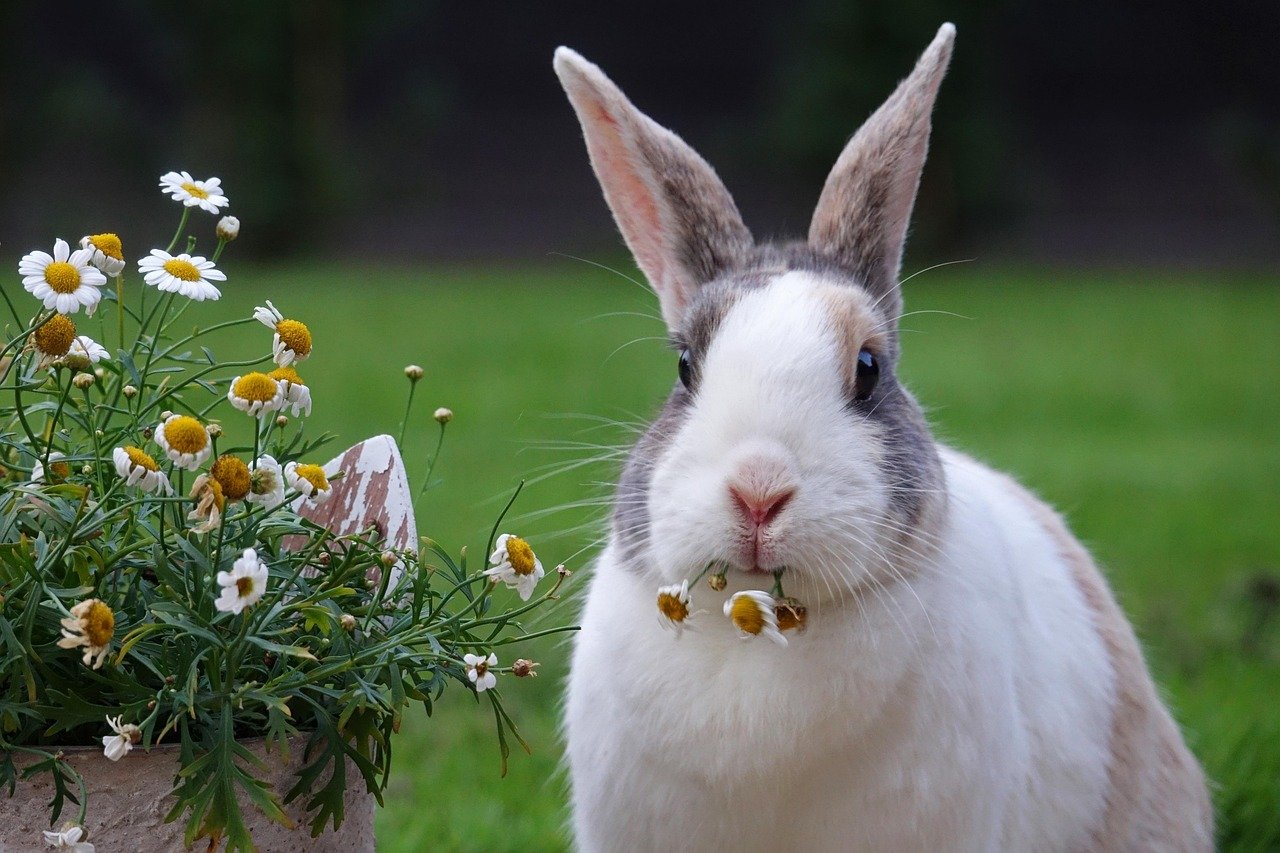
Why the New Zealand White Dominates Local Commercial Operations
The New Zealand White (NZW) remains the global benchmark for meat production, and Malaysian homesteaders and agriculturalists favor it for distinct biological advantages. Despite its temperate origins, responsible selective breeding has produced lines capable of handling tropical microclimates effortlessly.
When establishing commercial New Zealand White rabbit farming in Malaysia, agriculturalists prioritize this breed over fancy or wool varieties due to clear production metrics:
- Superior Dressing Percentage: NZW rabbits typically yield a 58% to 62% dressed carcass weight, significantly outperforming indigenous or decorative varieties.
- Rapid Maturation: Fryers reach an optimal market weight of 2.0 to 2.4 kilograms within 8 to 12 weeks on balanced feed programs.
- Docile Temperament: Their calm demeanor reduces stress-induced mortality and simplifies routine health evaluations and physical inspections.
- Excellent Mothering Ability: Does consistently kindle litters of 8 to 10 kits, producing copious milk to support rapid early kit growth.
By focusing on these robust genetics, modern local breeders ensure a reliable, steady supply of premium livestock without resorting to artificial growth stimulants.

Navigating Tropical Housing and Bio-Security Challenges
Rabbits dissipate heat primarily through their ears and respiration, making Malaysia’s humidity and heat index the primary challenge for commercial operations. Successfully raising rabbit for meat purpose requires thoughtfully constructed infrastructure that prevents heat stroke and keeps airborne pathogens at bay.
Effective Ventilation and Climate Mitigation
Commercial producers in areas like Penang and Perak employ elevated, semi-open shed architectures. These structures harness natural cross-ventilation, shielding colonies from direct tropical rains while maintaining high air exchange.
- Elevated Wire Hutches: Industrial-grade galvanized wire flooring allows droppings to fall through immediately, keeping footpads clean and minimizing fly strikes.
- Automated Nipple Drinkers: Pressurized water systems connected to shaded header tanks guarantee continuous access to cool, hygienic drinking water.
- Evaporative Cooling Aids: Overhead misting lines, heat-reflective roofing, and directional fans lower ambient ambient temperatures during midday peaks.
Strict Bio-Security and Sanitation Protocols
High relative humidity can encourage respiratory conditions like pasteurellosis and intestinal coccidiosis if sanitation slips. Sustainable farms avoid routine prophylactic antibiotics, relying instead on rigorous daily manure clearing, bi-weekly torch sanitization of metal cages, and comprehensive organic fly-trapping barriers.
Formulating High-Performance Diets in Peninsular Malaysia
Commercial success depends directly on nutrient conversion efficiency. In a tropical commercial New Zealand White rabbit farming in Malaysia setting, balancing energy density with digestive fiber is vital to prevent gastrointestinal stasis.
- High-Fiber Concentrated Pellets: Formulations containing 16% to 18% crude protein and minimum 18% crude fiber serve as the primary daily nutritional baseline.
- Dried Forage Grasses: Sun-cured Guinea grass (Panicum maximum) and Napier grass (Pennisetum purpureum) provide roughage that stimulates natural gut motility.
- Fresh Botanical Supplements: Moderate amounts of clean moringa and mulberry foliage offer bioavailable micronutrients and natural antioxidants without disturbing gut flora.
- Targeted Mycotoxin Control: Feed must be stored in climate-controlled, pest-proof containers to prevent fungal growth caused by local humidity.
A strictly managed feeding protocol yields clean, nutrient dense rabbit meat that satisfies the uncompromising standards of local food purists and raw pet food practitioners alike.
Serving Health-Conscious Tables and Raw-Feeding Pet Communities
Consumer demand for clean novel proteins has surged across Peninsular Malaysia. Traditional grocery channels frequently offer heavily treated poultry and imported red meats, leaving wellness-focused consumers and conscientious pet owners searching for transparent alternatives.
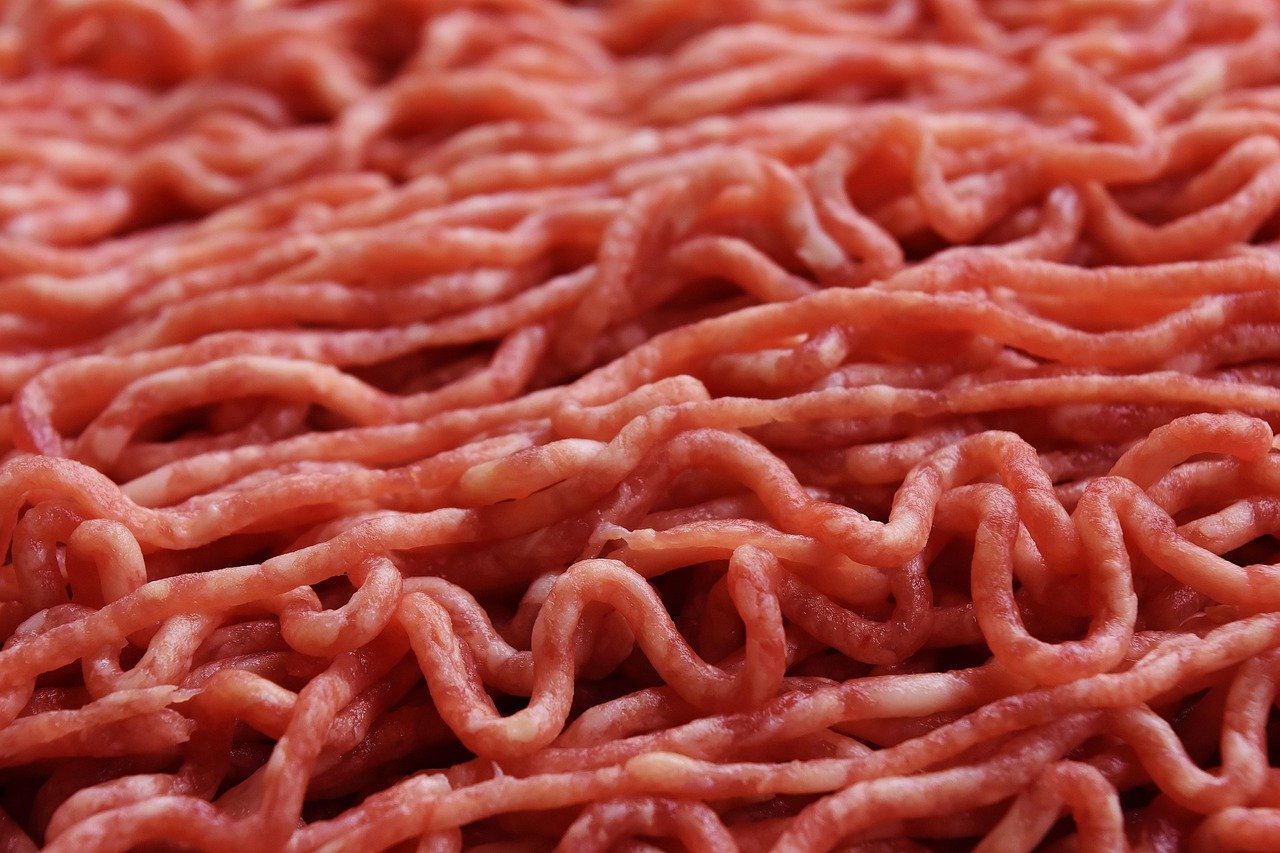
For home cooks, rabbit is a lean culinary centerpiece that readily absorbs regional aromatics like lemongrass, turmeric, and galangal. Containing virtually zero saturated fat and an extraordinarily low cholesterol profile, it delivers an easy-to-digest protein source for cardiovascular wellness.
Concurrently, raw-feeding dog and cat communities are driving massive demand for ethical rabbit products:
- Hypoallergenic Novel Protein: Pets suffering from chronic food allergies caused by commercial chicken or beef formulas thrive on single-ingredient rabbit meat.
- Natural Prey-Model Components: Commercial farms supply vital raw bone, whole cuts, and lean organs essential for biologically appropriate feline and canine meal plans.
- Digestive Benefits: Dehydrated rabbit ears and single-ingredient jerky serve as natural, dental-cleaning treats packed with raw fiber and essential minerals.
Whether you are crafting an elegant gourmet stew or sourcing clean protein for your furry companion, buying directly from an ethical producer guarantees complete traceability from farm to kitchen. Explore our fresh, locally raised offerings at the RabbitEar Farms shop to bring superior novel nutrition to your household today.
Frequently Asked Questions
Is commercial New Zealand White rabbit farming profitable in Malaysia?
Yes, high retail demand for novel pet proteins, raw dog diets, and gourmet meat, combined with rapid reproduction rates, makes it an economically viable agricultural venture.
How do New Zealand White rabbits survive Malaysia’s hot weather?
Farms utilize elevated sheds with high-clearance roofing, industrial wire cages, automated cool misting nozzles, and adequate cross-ventilation to prevent heat stress.
What is the average market slaughter age for New Zealand White rabbits?
Commercial growers typically harvest fryers between 8 to 12 weeks of age when they attain live weights between 2.0 and 2.4 kilograms.
Why is New Zealand White rabbit meat favored by raw pet feeders?
It is a hypoallergenic novel protein with balanced calcium-to-phosphorus ratios in its edible bones, making it ideal for pets with food sensitivities.
Do commercial rabbit farms in Malaysia routinely use antibiotics?
Reputable smallholdings emphasize strict sanitation, biosecurity, and natural forage over routine antibiotic use to produce clean, chemical-free meat.
Learn more at rabbitearfarms.com.
