

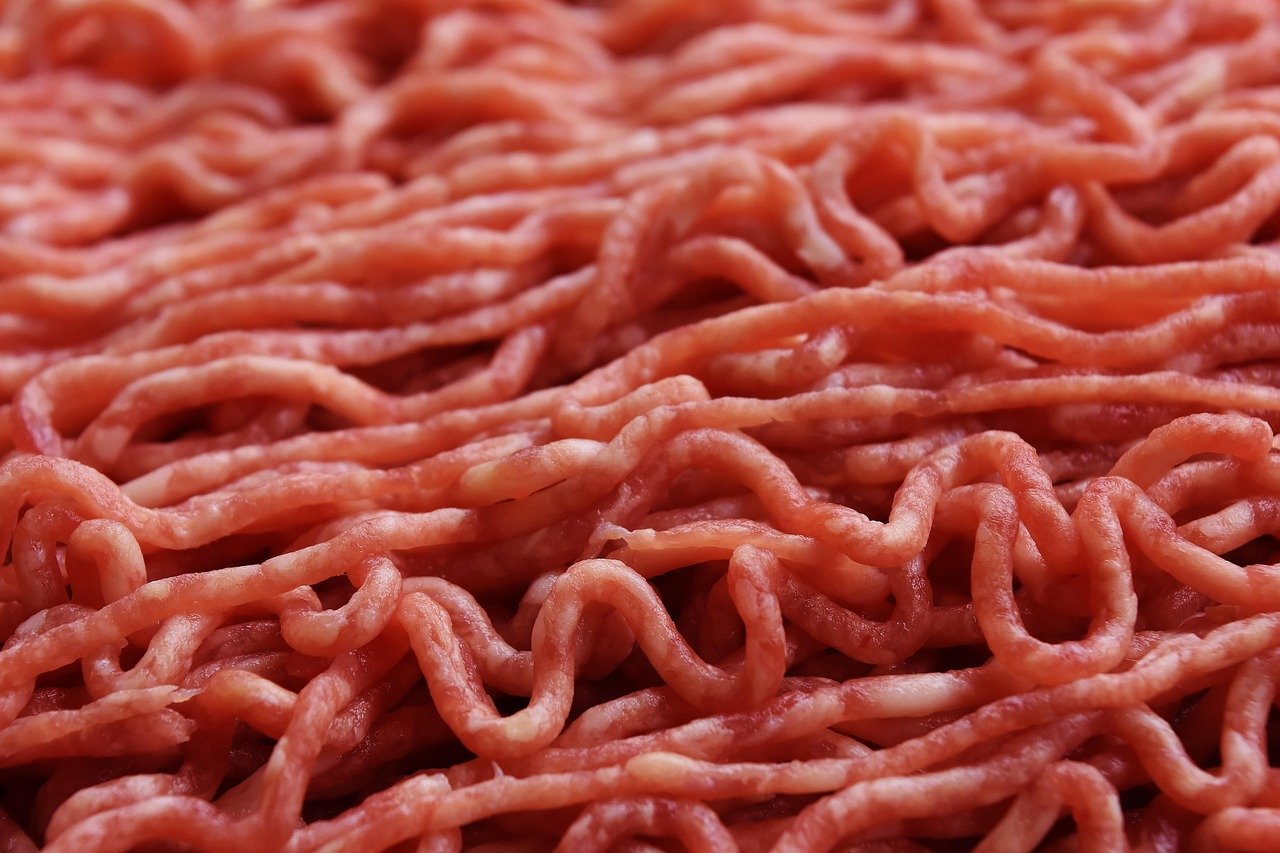
Yes, rabbit meat is an exceptionally lean, low-cholesterol white meat alternative that contains less cholesterol, fat, and sodium than chicken, beef, or pork. With roughly 50 to 56 milligrams of cholesterol per 100 grams and over 21% easily digestible protein, it is recognized globally by dietitians as one of the healthiest meats for cardiovascular health.
For health-conscious cooks and mindful consumers seeking clean, high-yield nutrition, choosing ethically farmed rabbit provides an optimal balance of vital micronutrients without excess saturated fat.
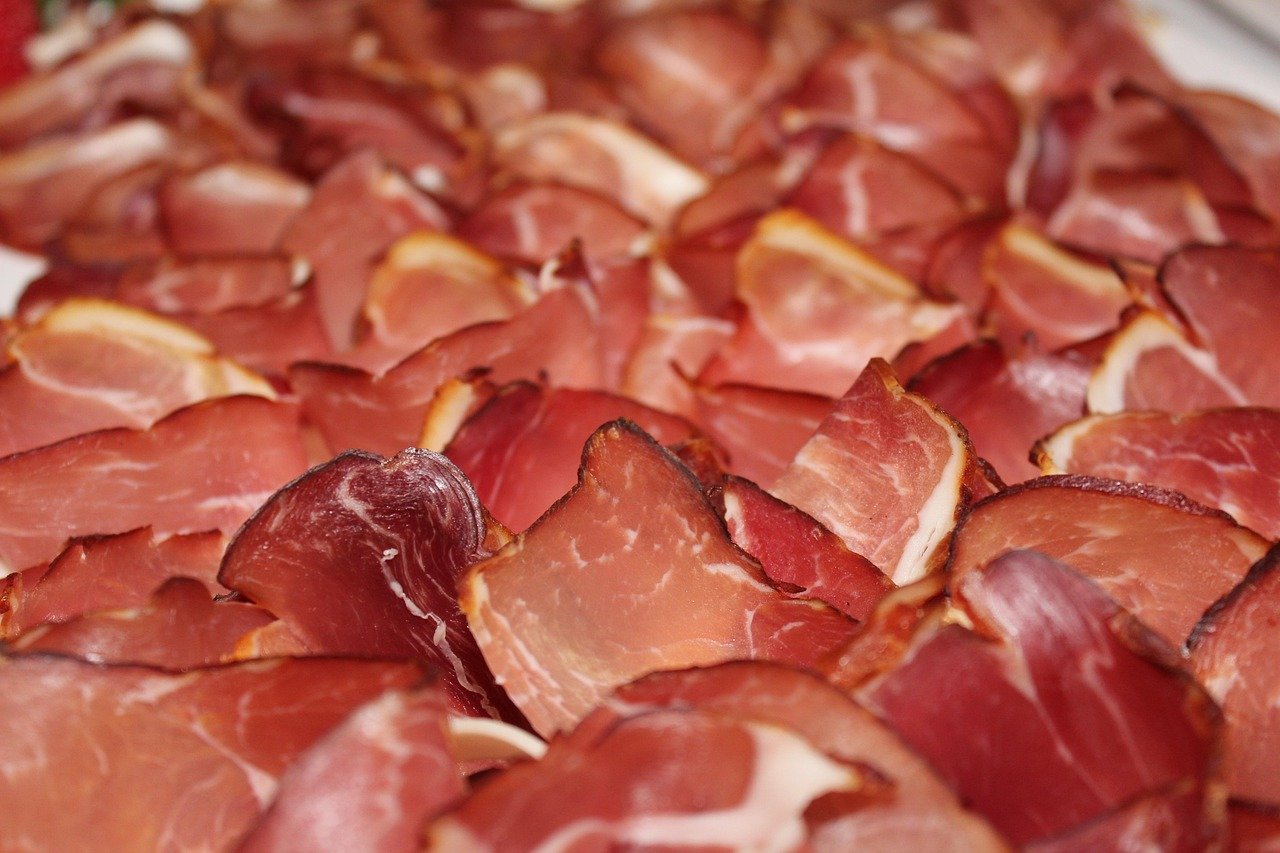
Nutritional Profile: Comparing Rabbit to Traditional White Meats
When examining everyday lean meats, skinless chicken breast has long reigned as the default dietary standard. However, an objective look at rabbit meat reveals a superior nutritional density that outclasses conventional poultry across multiple metrics.
- Significantly Lower Cholesterol: Rabbit provides roughly 50 mg of cholesterol per 100g portion, compared to 60-85 mg found in similar servings of chicken breast or turkey.
- Minimal Saturated Fat: Total lipid content in domesticated rabbit hovers around 3-6%, with the vast majority consisting of polyunsaturated and monounsaturated fatty acids.
- High Protein Density: Delivering approximately 21 to 22 grams of complete protein per 100 grams, rabbit offers a bioavailable, easily assimilated amino acid matrix.
- Reduced Caloric Value: Because it carries almost no intermuscular marbling, rabbit supplies fewer calories per gram than standard beef, lamb, or dark poultry cuts.
For individuals managing lipid profiles, exploring how to expand your healthy protein options can dramatically simplify daily meal planning without sacrificing culinary satisfaction.
Why Rabbit Meat Supports Cardiovascular and Metabolic Health
A healthy heart requires dietary choices that reduce systemic vascular inflammation and arterial plaque formation. Modern cardiologists consistently emphasize moderating dietary cholesterol while prioritizing bioavailable minerals.
Vascular Protection and Blood Pressure Control
Rabbit is naturally low in sodium while offering rich deposits of potassium and phosphorus. This natural electrolyte balance aids fluid regulation, easing tension along arterial walls and reducing chronic strain on the circulatory system.
Sustained Satiety Without Plaque-Building Fats
Unlike feedlot red meats dense with palmitic saturated fats, rabbit muscle tissue is composed largely of essential fatty acids, including linolenic and alpha-linolenic acids. These healthy fats support healthy high-density lipoprotein (HDL) pathways without driving up harmful low-density lipoprotein (LDL) counts.
Understanding modern methods for raising rabbit for meat purpose demonstrates how clean housing and grass forage directly prevent the fat buildup commonly observed in commercial livestock.
Hypoallergenic and Novel Protein Benefits for Companion Pets
The unique biochemical profile of rabbit meat is not solely advantageous for humans; it serves as a critical dietary solution for dogs and cats suffering from chronic gastrointestinal and dermatological distress.
- True Novel Protein: Most companion animals have developed sensitivities to commercial chicken and beef through repetitive exposure, making clean rabbit an ideal elimination-diet cornerstone.
- Organ and Muscle Purity: Because domestic rabbits thrive on forage and high-fiber grasses, their tissue avoids the chemical residues often stored in factory-farmed animal fat.
- Ideal for Pancreatic Health: The ultra-low fat content protects sensitive animals from acute digestive flares and sudden episodes of pancreatitis.
Pet owners actively mastering the raw food diet for dogs frequently rotate domestic rabbit cuts into daily meals to restore mucosal gut health and build robust, lean muscle mass.
Culinary Preparation: Cooking Ultra-Lean White Meat Without Drying It Out
Because rabbit meat contains virtually no intramuscular fat, home cooks must approach it differently than fatty cuts of poultry or pork. Cooking it too quickly over dry heat can cause the lean muscle fibers to contract and turn tough.
- Gentle Braising: Simmering rabbit joint pieces slowly in aromatic broths, natural herbs, and tomatoes preserves moisture while softening collagenous connective tissue.
- Aromatic Marination: Using olive oil, garlic, fresh rosemary, and citrus softens the surface fibers and infuses balanced moisture deep into the meat before cooking.
- Low and Slow Roasting: When roasting whole rabbit, covering the roasting pan keeps steam circulating, ensuring every portion emerges juicy and tender.
- Quick Stir-Frying: Thinly sliced rabbit tenderloin sears beautifully in a hot wok within minutes when tossed alongside vibrant market vegetables and light soy seasonings.
When asking whether rabbit meat is low cholesterol white meat alternative that fits Asian culinary styles, local chefs frequently incorporate it into mild herbal soups, claypot braises, and comforting curries.
Transparent Farming: Sourcing Clean, Chemical-Free Protein Locally
The health benefits of any meat depend directly on how the animal was nurtured, fed, and handled throughout its life. Commercial feedlot animals raised under industrial stress often accumulate inflammatory markers and high fat levels.
In contrast, sustainable micro-farming prioritizes small-batch welfare, ample ventilation, and clean plant-based feed regimes free of preventative growth antibiotics or industrial stimulants. This transparent agricultural approach produces fresh, unblemished white meat that respects both consumer health and humane agricultural stewardship.
Whether you are designing a heart-healthy personal menu or seeking pure novel nourishment for your pets, choosing responsible local sources guarantees peak freshness and unmatched safety. Visit the Rabbitear Farms shop to explore our freshly harvested, pasture-conscious rabbit cuts and wholesome treats delivered straight to your kitchen.
Frequently Asked Questions
Is rabbit meat low cholesterol white meat alternative compared to chicken?
Yes, rabbit contains roughly 50 to 56 milligrams of cholesterol per 100 grams, which is measurably lower than chicken breast (roughly 60 to 85 mg) and pork loin.
Does rabbit meat taste gamey like wild hare?
No, farm-raised domestic rabbit has a mild, clean, and slightly sweet flavor closely resembling tender chicken breast rather than pungent wild game.
Why is rabbit meat recommended for cardiac patients?
It combines exceptionally low cholesterol, minimal saturated fats, low sodium, and abundant potassium, making it an ideal protein to protect arterial elasticity.
Can cats and dogs with allergies eat rabbit meat safely?
Yes, rabbit is an outstanding hypoallergenic novel protein that veterinary nutritionists frequently prescribe for pets with severe allergies to poultry, beef, or soy.
How should I store fresh raw rabbit meat after delivery?
Keep fresh rabbit sealed in the coldest zone of your refrigerator between 0°C and 4°C for up to three days, or vacuum-seal and freeze it at -18°C for up to six months.
Learn more at rabbitearfarms.com.
