

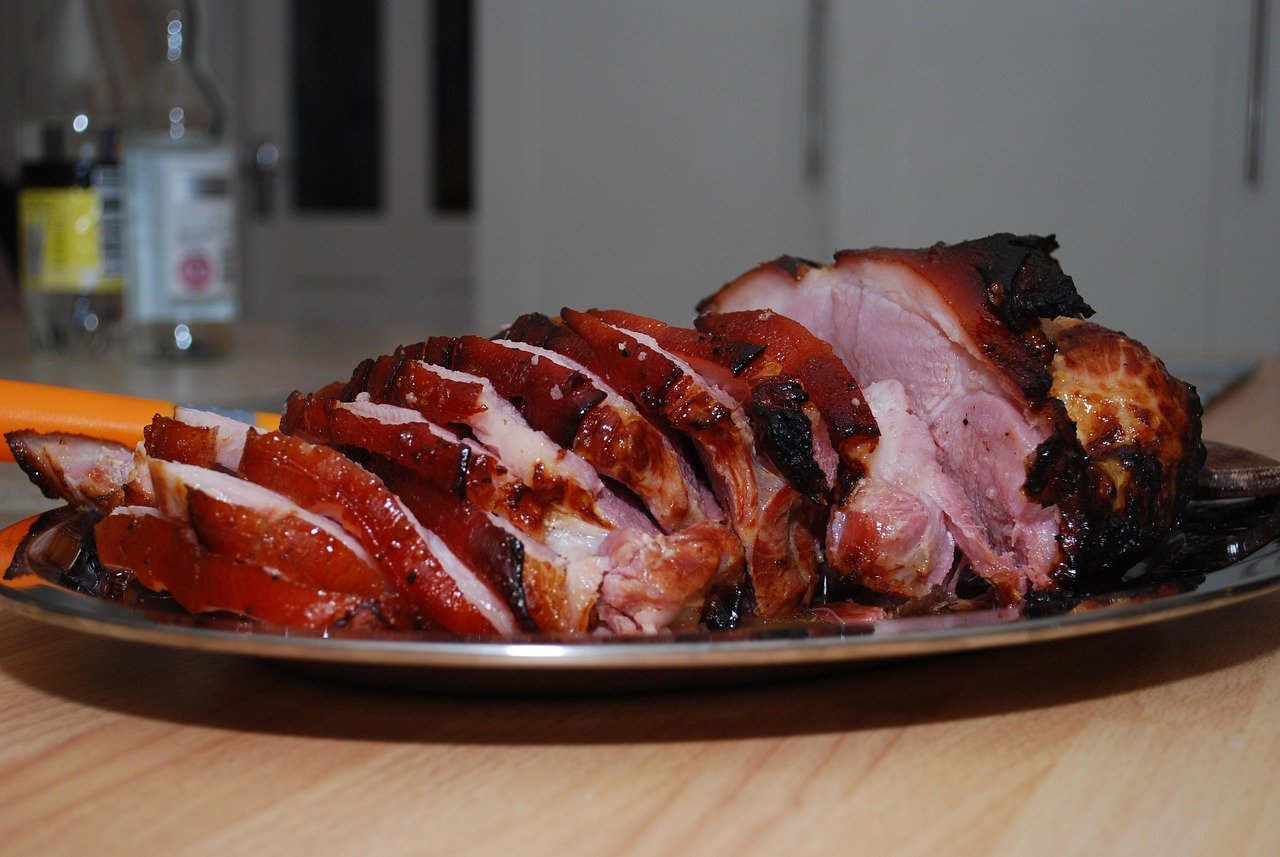
To cook rabbit meat saddle tender, quickly sear the meat over medium-high heat and finish gently until the internal temperature reaches 68°C (155°F) to 71°C (160°F). Because rabbit saddle is an ultra-lean cut with virtually no intramuscular marbling, high ambient heat or prolonged dry cooking will immediately toughen the delicate muscle fibers. Basting with butter, wrapping with fat, or using a quick pan-roasting method ensures your rabbit loin stays succulent, juicy, and melt-in-the-mouth tender.
Understanding this balance of heat and moisture transforms this delicate cut into an unforgettable culinary centerstage.
Understanding the Anatomy of the Rabbit Saddle
The rabbit saddle corresponds to the loin along the animal’s spine, featuring the two prime fillets alongside the delicate tenderloins tucked underneath. Unlike the working muscles of the legs, which contain tough connective tissue suited for slow braising, the saddle is pure, refined muscle.
Its exceptional nutritional profile is precisely what demands culinary care. Choosing sustainable, high-protein proteins from ethical sources ensures you work with pure meat uncompromised by industrial additives.
- Ultra-Lean Structure: Rabbit loin has less fat than skinless chicken breast, leaving zero margin for moisture loss during cooking.
- Subtle Sweetness: Clean, antibiotic-free meat has a mildly sweet, delicate flavor reminiscent of quality poultry rather than intense wild game.
- Thin Membrane: The exterior of the saddle carries a thin layer of silverskin that must be addressed to prevent curling during searing.
If you want to expand your healthy protein options, mastering the saddle cut is your first step toward restaurant-level home dining.
Essential Prep: Brining, Trimming, and Barding
Careful prep work determines your ultimate texture before the meat ever touches heat. Taking fifteen minutes to prep your saddle creates a built-in safety net against dry, fibrous meat.
1. Trimming the Silverskin
Slide a sharp boning knife just under the thin, translucent connective tissue covering the loins. Angle your blade slightly upward and peel it cleanly away so the meat does not contract and squeeze out internal juices as it cooks.
2. Quick Equilibrium Brining
Soaking the cut in a simple 5% salt brine for 30 to 45 minutes seasons the saddle deeply while modifying protein structures to retain water. For an aromatic lift, add cracked peppercorns, crushed garlic cloves, and fresh thyme sprigs to the chilled water bath.
3. The Art of Barding
Because domestic rabbit lacks subcutaneous fat, professional European chefs frequently bard the loin before roasting. Wrapping the boneless saddle neatly in thin slices of pancetta, prosciutto, or unsmoked beef bacon shields the protein from direct convection heat while continuously self-basting the loin.
Step-by-Step: The Pan-to-Oven Sear Method
The definitive technique for how to cook rabbit meat saddle tender is a rapid pan-sear followed by low indirect heat. This approach builds a golden, savory crust without overcooking the shallow core of the loin.
- Bring to Room Temp: Remove your rabbit saddle from the refrigerator 20 minutes before cooking so the muscle relaxes and cooks evenly throughout.
- Pat Dry Thoroughly: Surface moisture causes steam rather than browning. Blot every side of the saddle with paper towels until completely dry.
- Cast Iron Sear: Heat one tablespoon of neutral oil or duck fat in a heavy skillet over medium-high heat. Sear the saddle for just 90 seconds on each side until lightly golden.
- Butter Baste (Arrosé): Drop in two tablespoons of unsalted butter, a smashed garlic clove, and fresh rosemary. Tilt the pan and spoon foaming butter continuously over the saddle for 60 seconds.
- Finish in Oven: Transfer the pan to an oven preheated to 175°C (350°F) for 4 to 6 minutes, checking with a digital meat thermometer until the thickest section reads 68°C (155°F).
When seeking restaurant quality rabbit meat, using this gentle heat transfer yields perfect rosy medallions from edge to edge.
Alternative Cooking Methods: Sous Vide and Gentle Poaching
If you prefer an effortless method with zero risk of overshooting temperatures, sous vide and gentle butter poaching are exceptional choices. Both methods preserve the delicate cellular integrity of the loin without high evaporative water loss.
Precision Sous Vide
Vacuum-seal the boneless saddle fillets with a knob of butter, a pinch of sea salt, and fresh tarragon. Submerge in a water bath held precisely at 58°C (136°F) for 60 to 75 minutes. Remove the loins, pat dry, and give them a blindingly fast 30-second sear in a smoking-hot skillet for color.
Aromatic Olive Oil or Butter Poach
Submerge whole bone-in or boneless saddles in warm, herb-infused oil or clarified butter held steady around 75°C (167°F). Poach gently for 12 to 15 minutes. The fat coats the meat, producing a velvety, melt-in-your-mouth tenderness unattainable by open roasting.
Related: About Us
Related: Shop
Resting, Slicing, and Savoring Ethical Rabbit Meat
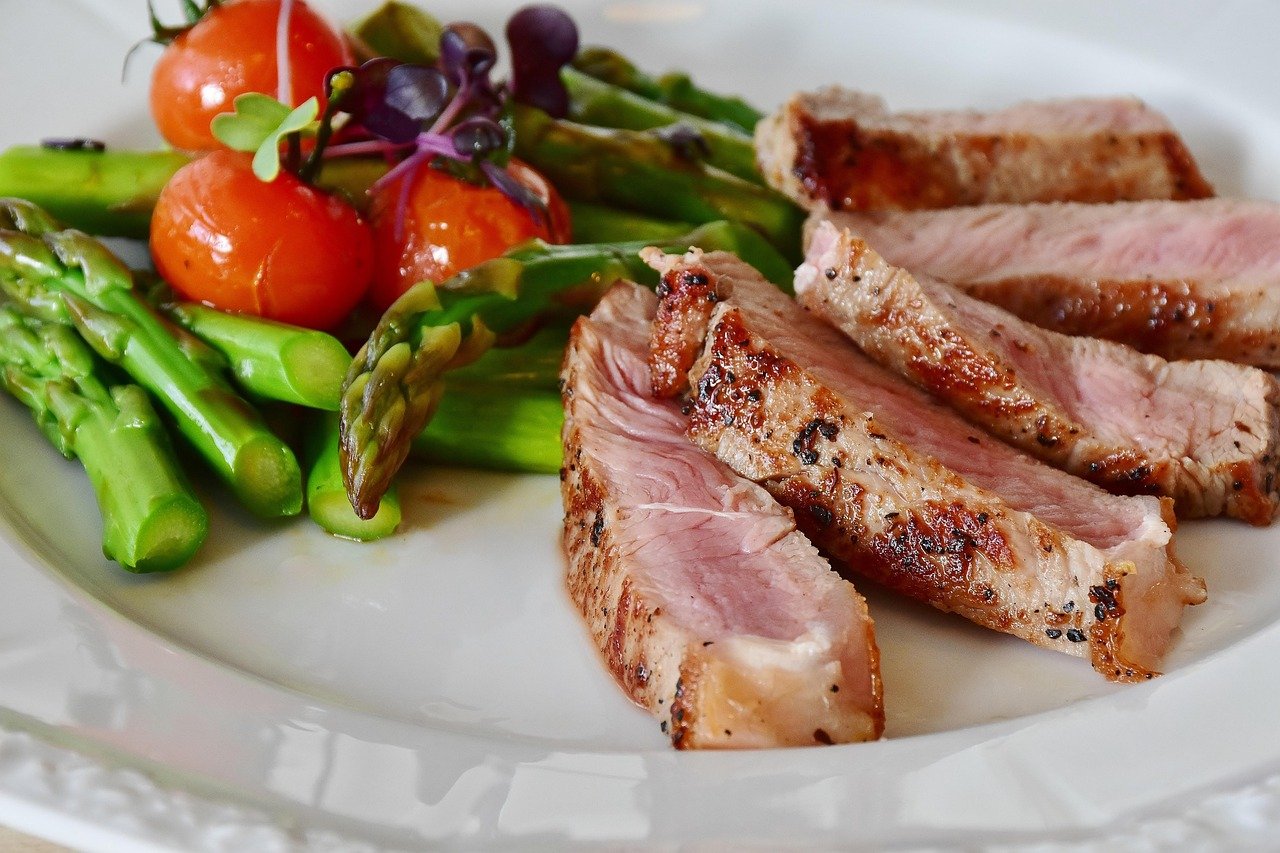
Never slice into a freshly cooked rabbit saddle immediately. Resting the cut on a warm wooden cutting board loosely tented with foil for 5 to 7 minutes allows the muscle fibers to relax, redistributing the rendered juices back into the core.
Carve across the grain into thick medallions about 1.5 cm wide. The interior should display a pale, glistening blush pink. Serve paired with earthy reductions, whole-grain mustard jus, or seasonal purées like parsnip and celery root.
Whether preparing an artisanal weekend dinner or selecting premium meat for whole-family nutrition, fresh sourcing makes all the difference. Explore our sustainable farm selections at About Us or browse wholesome, ethically raised proteins straight from our pasture-conscious facility at Shop today.
Frequently Asked Questions
What internal temperature ensures rabbit saddle is tender?
Cook rabbit saddle to an internal temperature between 68°C (155°F) and 71°C (160°F). Removing it from heat at 66°C (150°F) and allowing carryover cooking during resting prevents the lean loin from drying out.
Why does rabbit meat become dry and chewy?
Rabbit saddle turns tough because it has almost no fat or internal marbling to insulate the muscle fibers. Cooking it past well-done or roasting at high heat causes rapid moisture evaporation, leaving the lean meat stringy.
Should rabbit saddle be cooked pink?
Yes, rabbit saddle is best served with a light blush-pink center, cooked to medium doneness. Unlike poultry, lean rabbit loin loses tenderness and juiciness when cooked completely white throughout.
Do I need to soak rabbit saddle in milk or vinegar before cooking?
Farm-raised, clean-fed domestic rabbit does not require soaking in acidic milk or vinegar because it lacks strong, musky game notes. A brief salt-water brine for 30 minutes is sufficient to enhance natural moisture retention.
Can I cook rabbit saddle using a slow cooker?
No, rabbit saddle is too lean for slow cookers and will become mealy and dry over hours of simmering. Keep the saddle for fast pan-searing or roasting, and save the leg and shoulder joints for slow-cooked braises.
Learn more at rabbitearfarms.com.
