

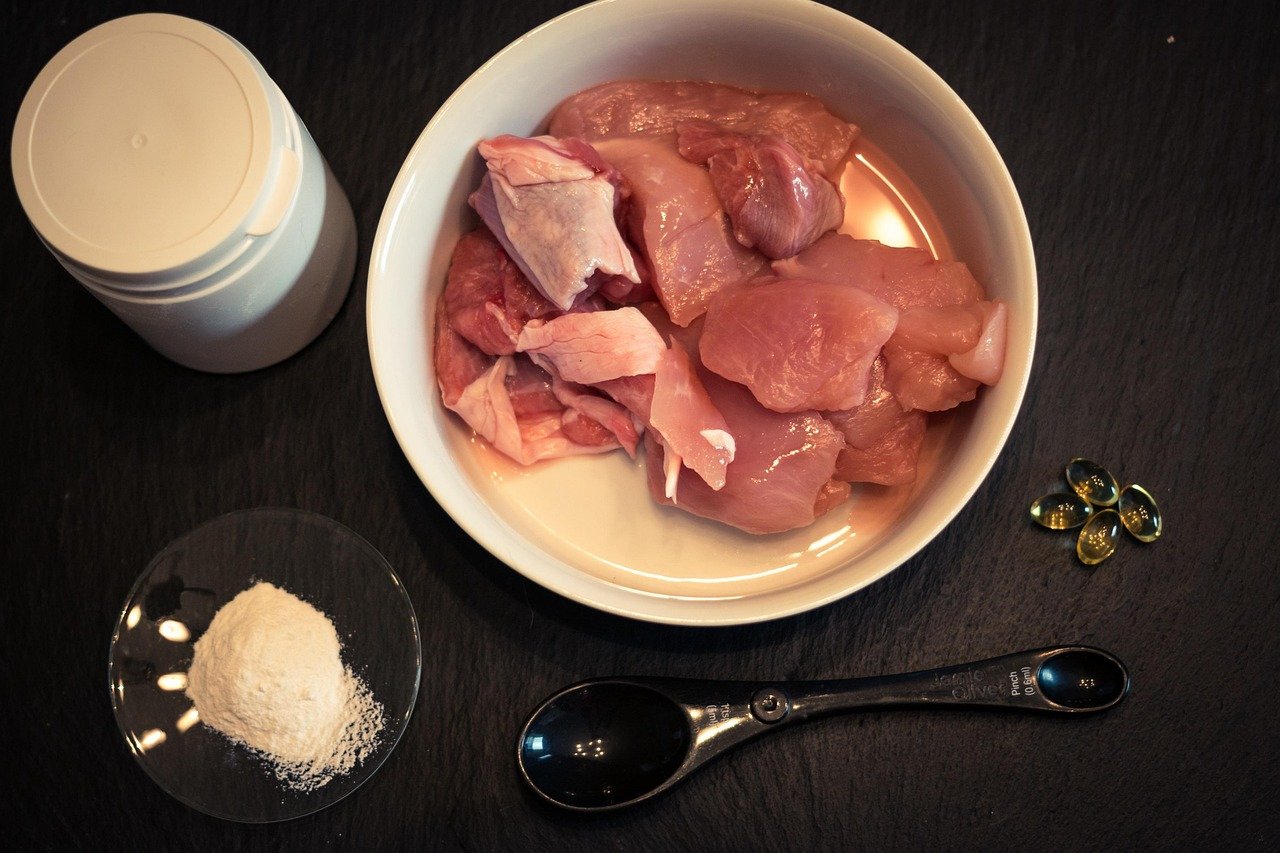
Feeding raw rabbit involves providing your dog or cat with uncooked, biologically appropriate muscle meat, edible bone, and organ tissue from rabbits. Rabbit is a lean, hypoallergenic novel protein that naturally mimics an ancestral prey diet, making it ideal for pets suffering from chronic skin issues, allergies, or sensitive digestion. Getting started safely requires balancing precise raw feeding ratios, sourcing clean, chemical-free meat, and following a gradual transition protocol to protect gut health.
This complete beginner guide to feeding raw rabbit pet food covers everything Malaysian pet parents need to know to balance bowls with confidence.
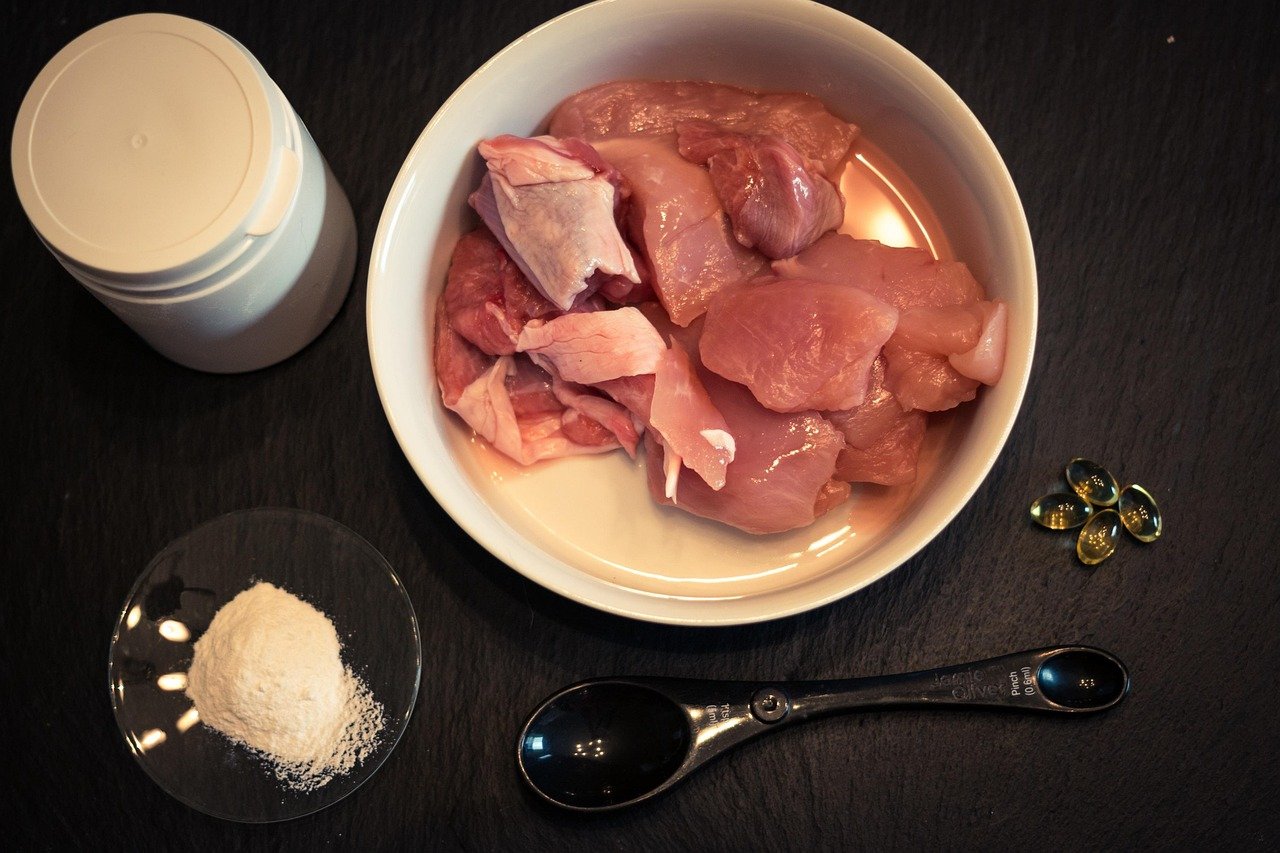
Why Raw Rabbit Is the Ultimate Novel Protein for Pets
Commercial pet foods frequently rely on factory-farmed chicken, beef, and soy, which are among the top dietary allergens for cats and dogs. Rabbit offers an exceptional alternative because most domestic pets have never been exposed to it, minimizing the risk of an inflammatory immune response.
Beyond its hypoallergenic nature, rabbit delivers a superior micronutrient profile tailored to carnivore physiology:
- Lean, High-Yield Protein: Rabbit contains higher levels of digestible protein than beef or chicken while remaining naturally low in cholesterol and saturated fats.
- Favorable Fatty Acid Profile: Pasture-raised and forage-fed rabbit provides a balanced ratio of omega-3 to omega-6 fatty acids, soothing itchy skin and dull coats.
- High Bioavailability: Raw rabbit meat provides naturally occurring B vitamins, selenium, and phosphorus without the nutrient degradation caused by high-heat extrusion.
- Low Allergenic Load: Sourcing clean protein from a dedicated local producer helps you sidestep the chemical preservatives and fillers found in commercial kibble.
Pet owners exploring an ancestral diet for dogs consistently report fewer ear infections, firmer stools, and improved coat shine after making the switch.
Related: ancestral diet for dogs

Understanding Raw Feeding Ratios: BARF vs. Prey Model Raw
To feed raw successfully, you cannot simply toss a boneless rabbit fillet into a bowl and call it a day. Long-term health depends on feeding the correct proportions of muscle, bone, and secreting organs to prevent severe calcium and trace mineral deficiencies.
The raw feeding community generally relies on two primary frameworks:
The Prey Model Raw (PMR) Approach
Prey Model Raw aims to replicate a whole wild carcass without added plant matter. For adult dogs and cats, the standard PMR guideline is:
- 80% Muscle Meat: Heart, tongue, gizzard, and deboned rabbit meat provide essential amino acids, moisture, and protein.
- 10% Raw Edible Bone: Rabbit ribs, necks, and feet supply natural calcium, phosphorus, and trace minerals.
- 5% Liver: Rabbit liver is an essential reservoir of preformed vitamin A and copper.
- 5% Other Secreting Organs: Spleen, kidneys, or pancreas provide vital enzymes and micronutrients.
The BARF Model (Biologically Appropriate Raw Food)
The BARF model is designed primarily for dogs and incorporates pet-safe plants to emulate partially digested stomach contents. The standard balance is 70% muscle meat, 10% raw bone, 10% secreting organs (half liver), 7% steamed or pureed low-glycemic vegetables, 2% seeds or nuts, and 1% pet-safe fruit.
Understanding why whole animal protein is revolutionizing pet nutrition helps owners see that organs and bones are not by-products, but vital, irreplaceable components of a balanced bowl.
Related: why whole animal protein is revolutionizing pet nutrition
How Much Raw Rabbit to Feed Daily
Determining your pet’s daily feeding amount depends on their target ideal weight, age, and lifestyle. Rather than following fixed cup measurements, raw pet food is calculated as a direct percentage of body weight.
Use these baseline figures as an initial guide for adult dogs and cats:
- Weight Loss or Sedentary: Feed 1.5% to 2% of the pet’s current body weight per day.
- Normal Adult Maintenance: Feed 2% to 2.5% of the pet’s ideal adult body weight daily.
- High Energy or Working Dogs: Feed 3% to 4% of their body weight to sustain heavy caloric burn.
- Growing Puppies and Kittens: Feed between 5% and 10% of their current weight, divided into three or four meals throughout the day.
For example, a healthy 10-kilogram dog needing maintenance at 2.5% will consume roughly 250 grams of balanced raw food daily. Adjust this amount based on weekly body condition checks, adding a bit more if your pet leans out or trimming portions if they carry extra weight.
Step-by-Step Transition Protocol for Beginners
A sudden switch to raw can cause loose stools or mild regurgitation, particularly in pets raised on kibble with reduced stomach acid. Following a phased schedule gives their digestive microflora time to adjust comfortably.
Here is a proven 14-day transition protocol for beginners:
- Days 1 to 3: Serve 75% of their normal meal alongside 25% single-source boneless raw rabbit chunks in separate dishes.
- Days 4 to 7: Adjust the ratio to a 50/50 split of old food and plain raw rabbit meat.
- Days 8 to 10: Transition to 75% raw rabbit with small amounts of soft edible bone, reducing the old diet to 25%.
- Days 11 to 14: Move to 100% raw rabbit meals, introducing balanced organs like liver and kidney in small, measured steps.
For sensitive dogs, starting with plain, pure cuts such as raw rabbit chunks for dogs minimizes stomach distress while establishing solid digestive tolerance.
Related: raw rabbit chunks for dogs

Safe Handling, Sourcing, and Tropical Storage Tips
Feeding raw in warm, humid climates like Malaysia requires disciplined cold-chain management and safe food prep. Bacteria multiply rapidly in ambient heat, so hygiene must remain top of mind.
Follow these essential handling rules to keep your kitchen clean and your pets safe:
- Thaw in the Chiller: Never thaw raw rabbit on the counter at room temperature. Transfer portions from the freezer to your refrigerator 24 hours before feeding.
- Strict 20-Minute Meal Rule: In warm weather, pick up and discard or refrigerate any raw meat left uneaten after 15 to 20 minutes to prevent spoilage.
- Designated Kitchen Prep Tools: Use dedicated stainless steel cutting boards, bowls, and knives for pet meals, washing them thoroughly with hot, soapy water immediately after use.
- Never Cook Edible Bones: Only feed bones completely raw. Cooking alters bone collagen, causing them to become brittle, splinter, and pose severe choking or perforation hazards.
- Source From Trusted Farms: Choose suppliers that raise healthy, chemical-free stock and process meat under clean conditions rather than buying unknown off-cuts.
Ready to upgrade your companion’s bowl? Explore our curated range of clean, sustainably raised novel proteins in the Rabbit Ear Farms shop to give your dog or cat the natural nutrition they deserve.
Related: Rabbit Ear Farms shop
Frequently Asked Questions
Can I feed my cat or dog whole raw rabbit bones?
Yes, but only if the bones are completely raw, non-weight-bearing, and appropriately sized for your pet. Never feed cooked bones, as cooking makes them brittle and prone to splintering.
Is raw rabbit safe for pets with sensitive stomachs?
Raw rabbit is widely regarded by veterinarians and canine nutritionists as an exceptional novel protein for sensitive pets because it is hypoallergenic, lean, and very easy to digest.
Do I need to freeze raw rabbit meat before feeding it?
Yes, freezing fresh raw meat at minus 18 to 20 degrees Celsius for at least two to three weeks is a standard raw feeding safety practice that neutralizes common parasites.
Can I feed my pet an exclusive diet of only raw rabbit?
While rabbit can serve as the primary novel protein, long-term vitality requires rotational feeding with other proteins or targeted supplements to ensure a full spectrum of trace minerals and fatty acids.
How do I start using this complete beginner guide to feeding raw rabbit pet food?
Begin by consulting your holistic vet, sourcing fresh human-grade rabbit meat, and following our 14-day gradual transition protocol using boneless meat before introducing raw bone and secreting organs.
Learn more at rabbitearfarms.com.
