


The health benefits of rabbit meat for diabetic diet management stem from its rare combination of zero carbohydrates, ultra-lean complete protein, and exceptionally low sodium levels. This nutrient-dense white meat helps stabilize postprandial blood glucose, promotes sustained satiety, and protects cardiovascular health without causing insulin spikes.
For individuals managing type 2 diabetes or prediabetes, incorporating rabbit offers a biologically efficient novel protein that reduces metabolic strain while providing vital micronutrients like vitamin B12, selenium, and potassium.

Glycemic Control and the Zero-Carb Advantage
Effective diabetes management hinges on moderating glycemic impact and minimizing post-meal blood sugar surges. As an animal protein, rabbit meat contains zero carbohydrates, giving it a glycemic index (GI) and glycemic load (GL) of zero.
When consumed alongside fibrous leafy greens and complex whole foods, lean rabbit protein slows gastric emptying. This blunts glucose absorption from other meal components, resulting in predictable blood sugar levels.
Rabbit protein also promotes metabolic stability through precise physiological pathways:
- Insulin Sensitivity: High concentrations of bioavailable leucine stimulate protein synthesis without driving excess insulin secretion.
- Satiety Signaling: Dense amino acid profiles trigger peptide YY (PYY) and GLP-1 release, curtailing sugar cravings between meals.
- Zero Latent Sugars: Unlike processed commercial meats or cured deli cuts, fresh whole rabbit contains no hidden starches, dextrose, or glazing sugars.
Cardiovascular Protection for Diabetic Wellness
Adults diagnosed with diabetes face double the risk of developing cardiovascular disease compared to non-diabetics. Managing lipid panels, blood pressure, and vascular elasticity is therefore just as vital as tracking daily finger-prick readings.
Rabbit meat ranks among the lowest in dietary cholesterol and saturated fat across all domestic livestock. Its favorable lipid architecture prevents arterial plaque accumulation while supporting long-term heart function.
- Low Cholesterol Profile: Rabbit contains approximately 57 mg of cholesterol per 100 grams, noticeably less than beef, pork, or dark-meat chicken.
- Balanced Fatty Acids: It provides a healthy proportion of polyunsaturated fatty acids (PUFAs), including natural omega-3s, which soothe chronic vascular inflammation.
- Low Atherogenic Index: The minimal ratio of saturated fats to unsaturated fats safeguards diabetic blood vessels against endothelial dysfunction.
Choosing novel, pasture-conscious sources allows health-conscious cooks to enjoy rich animal protein while keeping arterial health completely uncompromised.
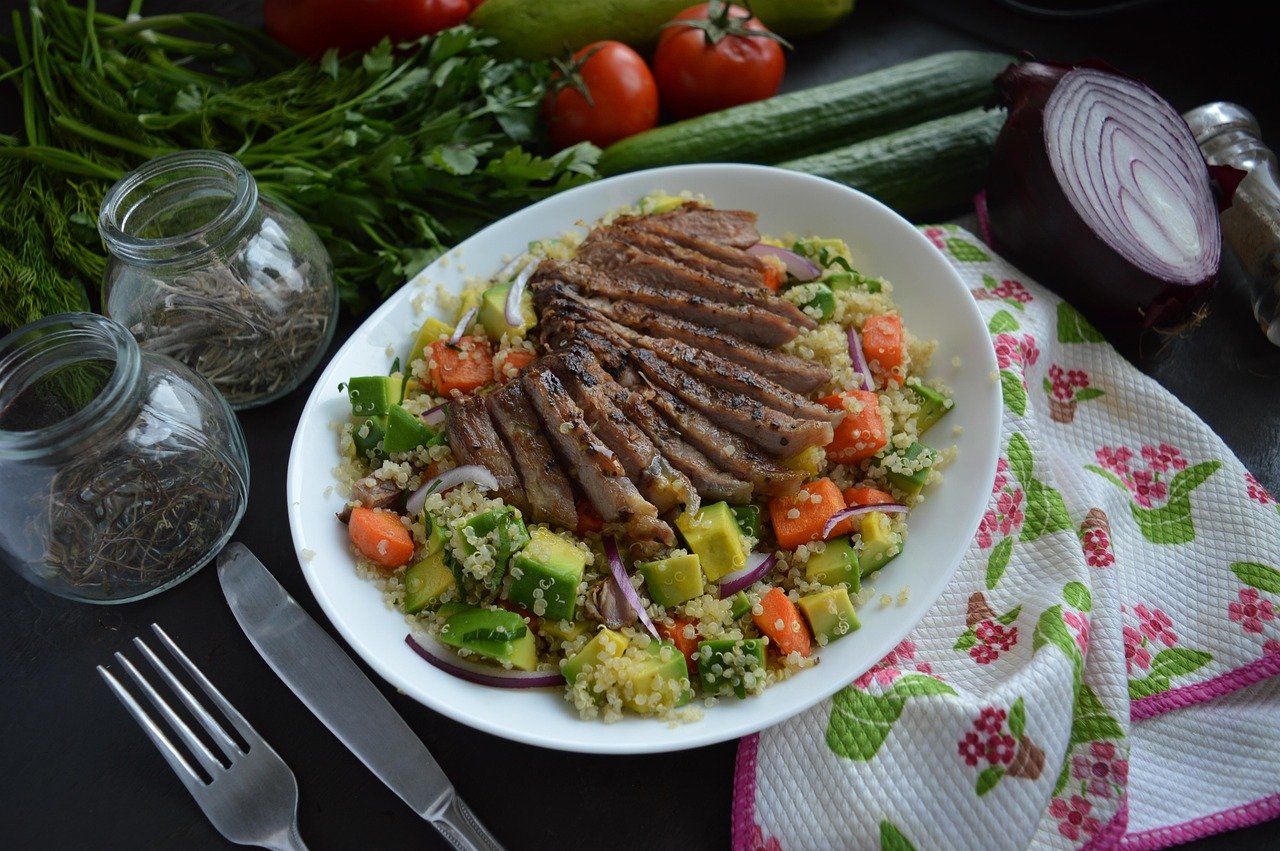
Sodium, Weight Control, and Metabolic Balance
Hypertension frequently accompanies type 2 diabetes, forming a dangerous metabolic pair. Most commercial meats are treated with sodium brines or phosphates to artificially retain water weight, placing unwanted pressure on delicate renal filters.
Pure, unprocessed rabbit meat is naturally low in sodium and rich in potassium. This natural electrolyte balance assists the kidneys in flushing surplus fluid, maintaining balanced systemic blood pressure.
Furthermore, rabbit meat aids in steady weight management, which directly enhances cellular insulin receptivity:
- Caloric Efficiency: A 100-gram serving delivers roughly 173 calories alongside 33 grams of protein, creating remarkable nutritional density.
- Minimal Adipose Tissue: Rabbit stores its fat around internal organs rather than marbled within muscle fibers, making it easy to prepare virtually fat-free portions.
- Sustained Basal Metabolism: High dietary protein preserves lean muscle mass during weight loss, keeping your resting metabolic rate robust.
For those looking to expand your healthy protein options, exploring local rabbit cuts provides clean sustenance without metabolic compromises.
Key Micronutrients That Support Insulin Function
Managing chronic metabolic conditions requires more than balancing macronutrients; it demands foundational cellular nourishment. The specific trace minerals and vitamins found inside rabbit muscle support enzyme reactions that regulate carbohydrate breakdown.
B-Complex Vitamins and Metabolic Support
Rabbit provides substantial levels of vitamin B12, niacin (B3), and pyridoxine (B6). Vitamin B12 protects peripheral nerves, a vital defense against diabetic neuropathy, while niacin aids cellular energy production from dietary fats and proteins.
Essential Minerals for Glucose Regulation
The mineral profile of rabbit meat directly targets diabetic vulnerabilities:
- Selenium: Acts as a powerful antioxidant that mimics insulin action and defends pancreatic beta cells from oxidative damage.
- Phosphorus: Works directly within cellular energy cycles to process adenosine triphosphate (ATP), sustaining daily stamina.
- Bioavailable Heme Iron: Prevents lethargy and supports hemoglobin synthesis without the extreme iron overload associated with heavy dark red meats.
Discovering nutrient dense rabbit meat gives home cooks an uncompromising foundation for restorative, therapeutic meal plans.
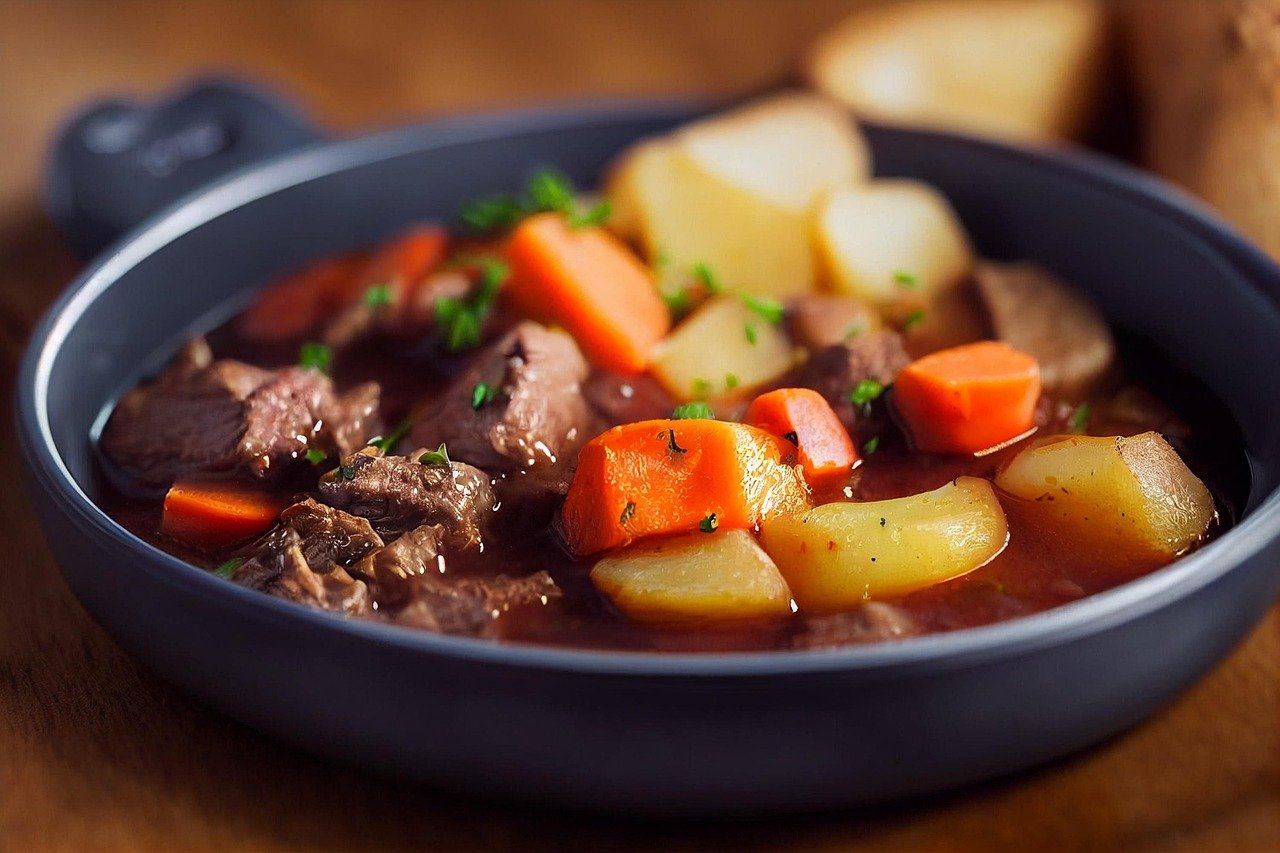
Culinary Preparation: Diabetic-Friendly Rabbit Recipes
Because rabbit is exceptionally lean, cooking it requires thoughtful moisture management to preserve tenderness without resorting to high-calorie fats or sugary marinades. Traditional Malaysian and Asian culinary practices adapt wonderfully to this delicate white meat.
Here are practical kitchen guidelines to maximize the health benefits of rabbit meat for diabetic diet cooking:
- Gentle Braising: Simmer rabbit thighs slowly with lemongrass, turmeric, galangal, and garlic in a light, fiber-rich clear broth to tenderize muscle fibers naturally.
- Aromatic Roasting: Rub the meat with cold-pressed olive oil, cracked black pepper, and fresh rosemary, then roast alongside low-glycemic vegetables like cauliflower, French beans, and bitter gourd.
- Steaming with Ginger: Marinate tenderloin strips in tamari, sesame oil, and fresh young ginger, then steam over gentle heat for a light, digestible lunch.
Avoid flour coatings, sugary glaze marinades, or deep frying. Instead, rely on pungent herbs and local spices to enhance the natural, mildly sweet flavor profile of sustainably raised rabbit.
At RabbitEar Farms, our dedication to ethical animal care and pasture-integrated nutrition guarantees tender, antibiotic-free meat delivered across Peninsular Malaysia. Visit our shop to order freshly processed, local cuts straight to your kitchen door.
Frequently Asked Questions
Can people with type 2 diabetes eat rabbit meat?
Yes, rabbit meat is an exceptional choice for type 2 diabetes because it contains zero carbohydrates, provides complete lean protein, and does not trigger post-meal blood sugar spikes.
How does rabbit meat compare to chicken for diabetics?
Rabbit meat is generally leaner than chicken, higher in protein per gram, and contains lower levels of cholesterol and sodium, making it superior for combined blood sugar and cardiovascular management.
Does rabbit meat raise blood sugar levels?
No, rabbit meat has a glycemic index of zero and contains no sugar or starch, meaning it will not raise your blood glucose levels after consumption.
How should rabbit meat be cooked for a diabetic diet?
The healthiest cooking methods are gentle braising, roasting with fresh herbs, or steaming with ginger and garlic, avoiding flour batters, sugary marinades, or deep-frying.
Where can I source fresh, clean rabbit meat in Malaysia?
RabbitEar Farms supplies sustainably raised, antibiotic-free whole rabbit cuts and portions across Penang and Peninsular Malaysia directly via online ordering.
Learn more at rabbitearfarms.com.
