

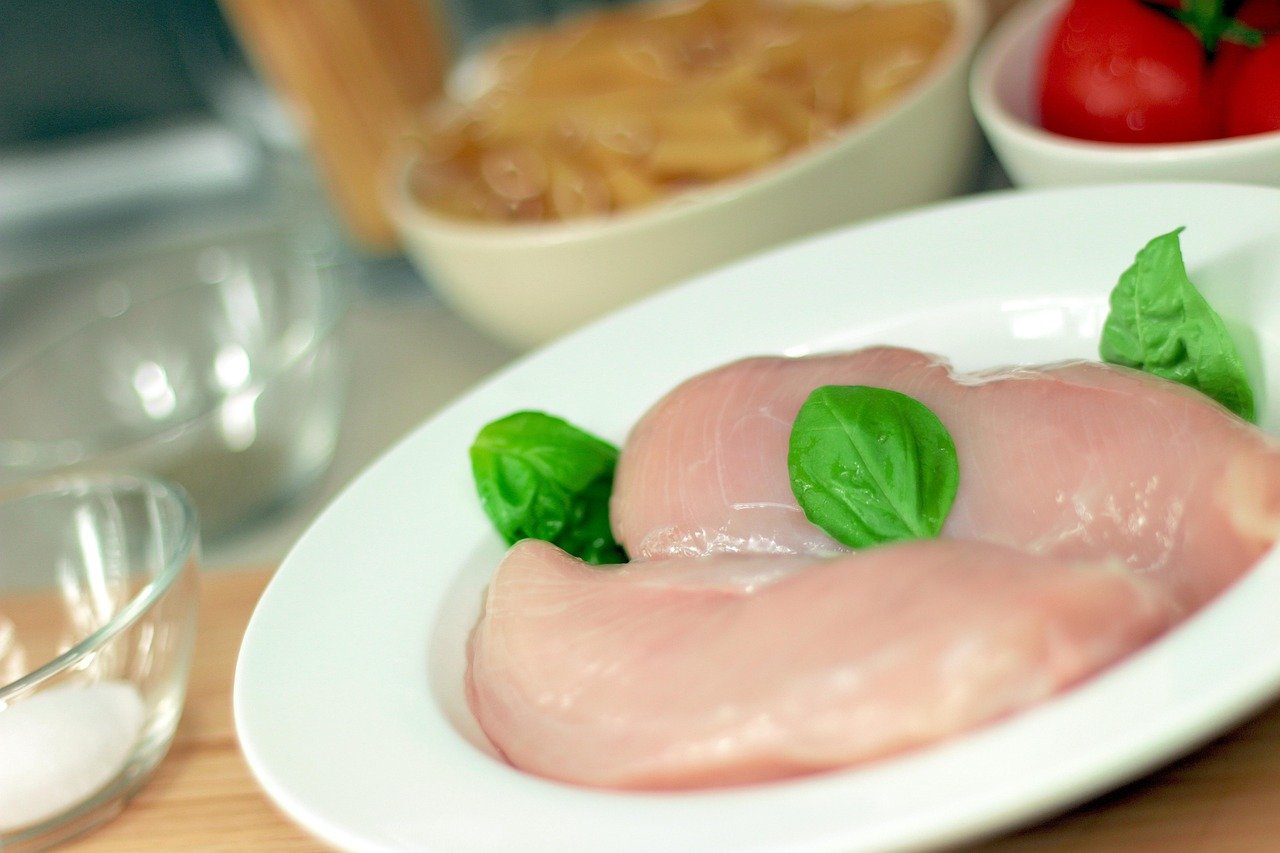
When comparing fresh cut rabbit meat vs frozen meat cuts, the main differences lie in moisture retention, preparation convenience, and storage flexibility. Fresh cuts offer superior tenderness, delicate flavor, and immediate culinary usability, while properly blast-frozen cuts retain identical nutritional density with extended preservation.
For Malaysian home cooks and pet owners seeking clean novel proteins, choosing between them depends entirely on your cooking timeline and feeding routine. Both formats deliver an exceptionally lean, hypoallergenic meat when sourced from responsible ethical farms.
Culinary Performance: Texture, Moisture, and Flavor Profiles
Rabbit is an ultra-lean protein with minimal intramuscular fat, making it uniquely sensitive to temperature and handling. The cellular structure of the muscle dictates how succulent your finished dish will be.
- Moisture Retention: Fresh rabbit retains its intracellular juices completely intact, resulting in a noticeably plumper texture when braised, roasted, or stewed in classic Malaysian curries.
- Subtle Aromas: Fresh cuts possess a clean, mild, sweet profile free from the faint oxidation that can occasionally occur during prolonged domestic freezer storage.
- Surface Browning: Fresh meat sears rapidly in hot oil, producing an even golden crust without leaching excess water into the pan.
When selecting your weekly dinner ingredients, you can easily expand your healthy protein options by using unchilled or chilled farm cuts for delicate, quick-cooking recipes like pan-seared rabbit loin.
Related: expand your healthy protein options
Nutritional Value: Does Freezing Deplete Essential Nutrients?
A persistent culinary myth suggests that cold storage destroys vitamins and vital minerals in lean meats. Scientific testing confirms that protein, essential amino acids, iron, and phosphorus remain virtually unchanged during standard freezing protocols.
The Role of Freezing Speed
Slow freezing in standard household freezers allows large ice crystals to expand, puncturing cellular walls within the meat. When thawed, these ruptured cells release liquid known as purge, carrying away trace amounts of water-soluble B vitamins.
Commercial flash freezing eliminates this issue by dropping temperatures almost instantaneously. Rapidly frozen cuts lock in complete nutritional profiles, providing an exceptional option for both human longevity diets and raw carnivorous pet meals.
The Raw Feeder’s Dilemma: Fresh vs Frozen for Canine and Feline Diets
For raw-feeding enthusiasts in Penang and across Peninsular Malaysia, raw rabbit serves as a premier hypoallergenic novel protein. Deciding between fresh cut rabbit meat vs frozen meat cuts introduces important considerations regarding food safety and biological preparation.
- Natural Pathogen Control: Deep-freezing whole prey or bone-in cuts for a minimum of three weeks at sub-zero temperatures effectively neutralizes common parasites, making frozen cuts the gold standard for raw feeding safety.
- Bone Consistency: Fresh raw bones remain softer and slightly more pliable, whereas improperly thawed frozen bones can become brittle if exposed to freezer burn.
- Organ Integrity: Fragile secreting organs like kidneys and liver degrade quickly at room temperature, making rapid freezing vital to maintain peak vitamin levels.
Many pet parents committed to mastering the raw food diet for dogs keep a steady rotation of both formats, utilizing chilled portions immediately and batch-storing portioned frozen packs.
Related: mastering the raw food diet for dogs
Storage Timelines, Thawing Safety, and Kitchen Convenience
Balancing farm-to-table freshness with domestic convenience requires realistic planning in warm tropical climates. Managing temperatures strictly prevents unwanted bacterial propagation and preserves product tenderness.
- Chilled Fresh Cuts: Store at 1°C to 3°C and cook within 48 to 72 hours of butcher dispatch to enjoy optimum tenderness.
- Vacuum-Sealed Frozen Cuts: Keep below -18°C for up to nine months without any discernible degradation in flavor or structural density.
- Safe Defrosting Protocol: Always thaw vacuum-sealed packages slowly inside the refrigerator overnight, rather than soaking them in warm tap water or leaving them on countertops.
Rapid temperature changes force muscle fibers to constrict and weep valuable moisture, converting what would have been a succulent cut into dry, stringy meat.
Ethical Sourcing and Sustainable Meat Production in Malaysia
Whether you choose fresh portions or vacuum-packed cold cuts, the true caliber of the meat stems directly from how the animals were raised. Small-scale local agriculture emphasizes humane living conditions, strictly controlled hygiene, and an absolute avoidance of routine preventative antibiotics.
Rabbits convert green forage into dense, clean protein far more efficiently than cattle, leaving a remarkably low carbon and water footprint. Supporting conscientious local producers guarantees that your household receives clean, nutrient-dense nutrition while championing ethical farming in your regional community.
Explore our butchery selections in the shop to order humanely raised, locally sourced rabbit cuts tailored directly for your family’s dinner table or raw pet feeding routine.
Related: shop
Frequently Asked Questions
Is fresh cut rabbit meat healthier than frozen meat cuts?
Both options offer practically identical macronutrient and micronutrient profiles. Flash-frozen rabbit retains virtually all of its protein, vitamins, and minerals, meaning neither format holds a significant nutritional advantage over the other.
Can I refreeze fresh rabbit meat after purchasing it?
Yes, provided the fresh meat has been kept continuously chilled at or below 4°C and handled under strict sanitary conditions. Vacuum-sealing it prior to domestic freezing will prevent freezer burn and surface moisture loss.
Why is frozen rabbit meat often recommended for raw pet diets?
Freezing raw novel protein for at least two to three weeks at -18°C helps eliminate potential parasites naturally without relying on chemical treatments or heat. This makes frozen cuts exceptionally safe for raw-fed dogs and cats.
How long does fresh cut rabbit meat last in the refrigerator?
Fresh rabbit cuts should be stored in the coldest part of your refrigerator at 1°C to 3°C and prepared within two to three days. For extended timelines, portion and freeze the meat immediately upon delivery.
What is the best way to thaw frozen rabbit cuts to preserve juiciness?
The ideal method is slow refrigerator thawing over 12 to 24 hours while keeping the meat sealed in its original airtight pack. This gradual process allows muscle fibers to reabsorb melting moisture, preserving peak tenderness.
Learn more at rabbitearfarms.com.

