

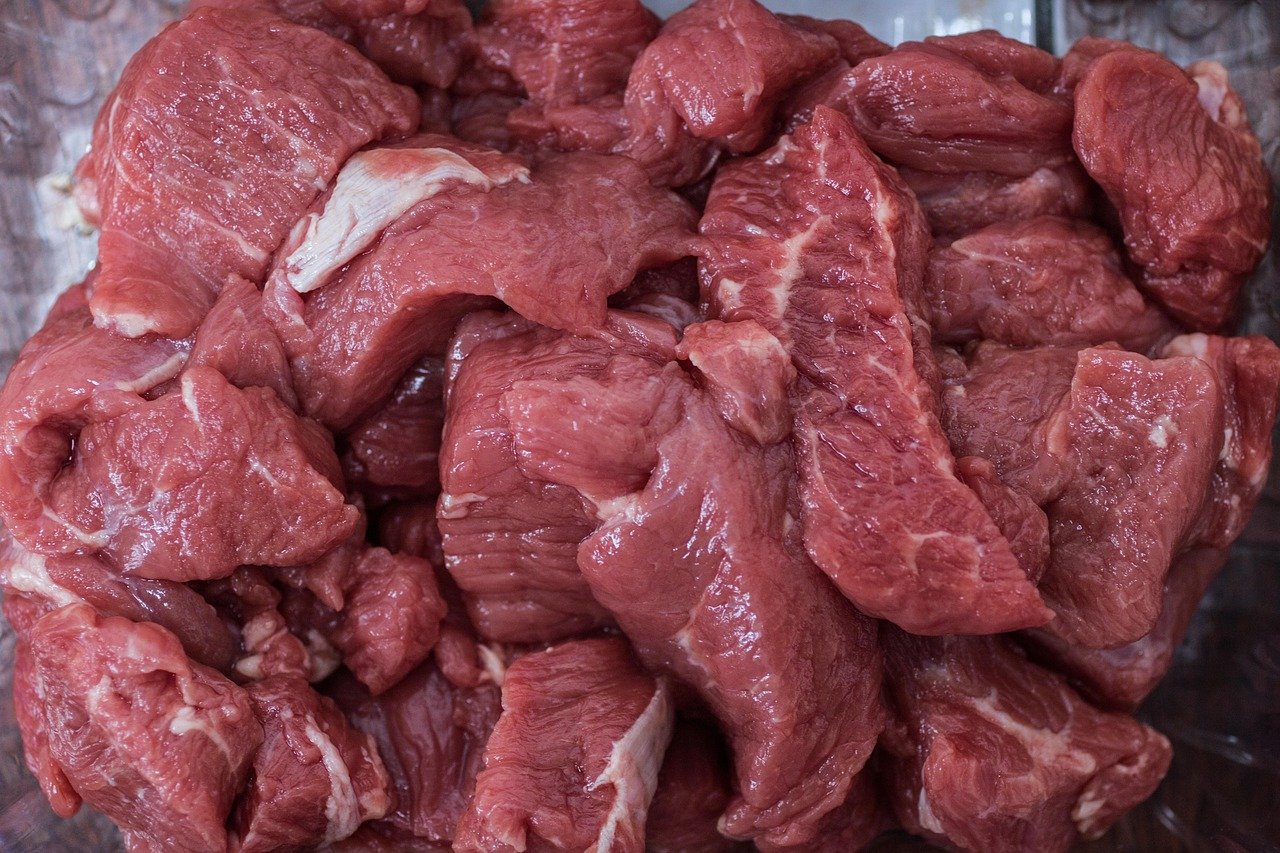
When comparing rabbit meat vs chicken breast protein and cholesterol, rabbit consistently delivers higher protein density alongside significantly lower cholesterol and total fat. A standard 100-gram serving of roasted domesticated rabbit provides approximately 33 grams of protein and 57 milligrams of cholesterol, whereas roasted skinless chicken breast yields about 31 grams of protein and 85 milligrams of cholesterol. For home cooks and raw feeders seeking maximum lean amino acids with minimal saturated fat, rabbit serves as the superior dietary choice.
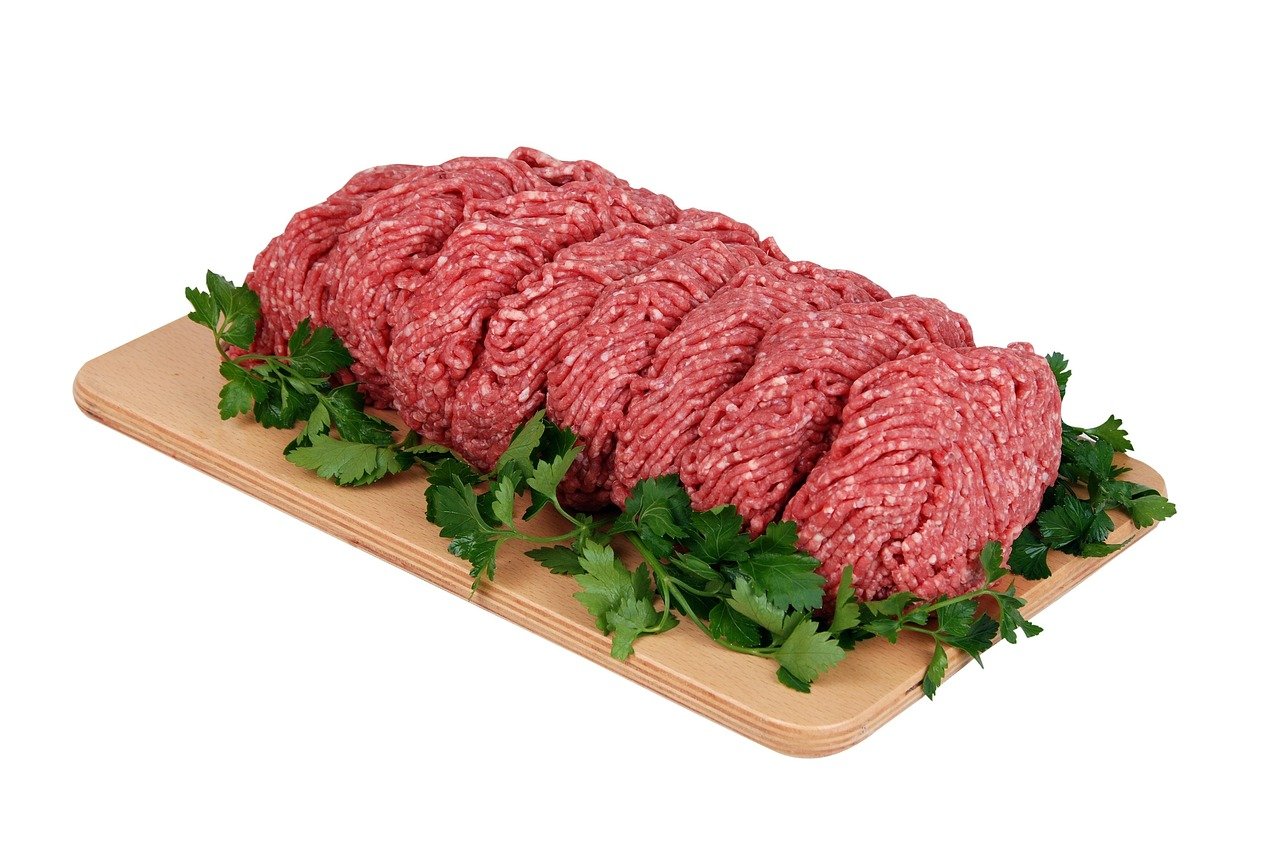
Nutritional Breakdown: Rabbit Meat Against Chicken Breast
Understanding how common white meats compare at the macronutrient level helps consumers make informed culinary choices. While boneless skinless chicken breast has long stood as the gold standard for clean eating across Malaysian fitness circles, domesticated rabbit exceeds standard poultry metrics.
Per 100 grams of cooked meat without added fats, the core nutritional differences become immediately apparent:
- Crude Protein: Rabbit meat yields around 33g compared to 31g in skinless chicken breast, offering a denser concentration of usable amino acids per bite.
- Dietary Cholesterol: Rabbit contains approximately 57mg, whereas chicken breast contains roughly 85mg, making rabbit nearly 33% lower in systemic cholesterol load.
- Total Fat: Domesticated rabbit contains roughly 3.5g of total fat, while skinless chicken breast sits slightly higher at roughly 3.6g to 4.0g depending on trim.
- Caloric Density: Rabbit provides roughly 173 calories per 100g serving, delivering high satiety while supporting calorie-controlled diets.
For health-conscious families and fitness enthusiasts who want to expand your healthy protein options, rabbit delivers uncompromised lean fuel without excess dietary lipids.
Related: expand your healthy protein options
Examining Cholesterol and Cardiovascular Health Benefits
Dietary cholesterol remains an essential consideration for anyone managing cardiovascular health or tracking lipid panels. Evaluating rabbit meat vs chicken breast protein and cholesterol clarifies why many functional nutritionists view rabbit as a premier heart-healthy whole food.
Lower Sodium and Balanced Minerals
Beyond baseline cholesterol numbers, rabbit meat features an exceptionally favorable electrolyte ratio that supports cardiovascular balance:
- Reduced Sodium Content: Natural rabbit meat contains less sodium per gram than commercially processed chicken, reducing fluid retention strain.
- Abundant Potassium: Elevated potassium levels inside lean rabbit tissue work synergistically to maintain optimal blood pressure levels.
- Superior Bioavailable Iron: Rabbit contains more bioavailable heme iron than chicken breast, preventing lethargy and improving cellular oxygen delivery.
- Rich Phosphorus: Essential phosphorus works with cellular calcium to strengthen bone integrity and support metabolic turnover.
These natural micronutrient ratios mean cooking whole cuts provides comprehensive metabolic advantages without needing artificial fortification.
Culinary Texture, Moisture Retention, and Cooking Differences
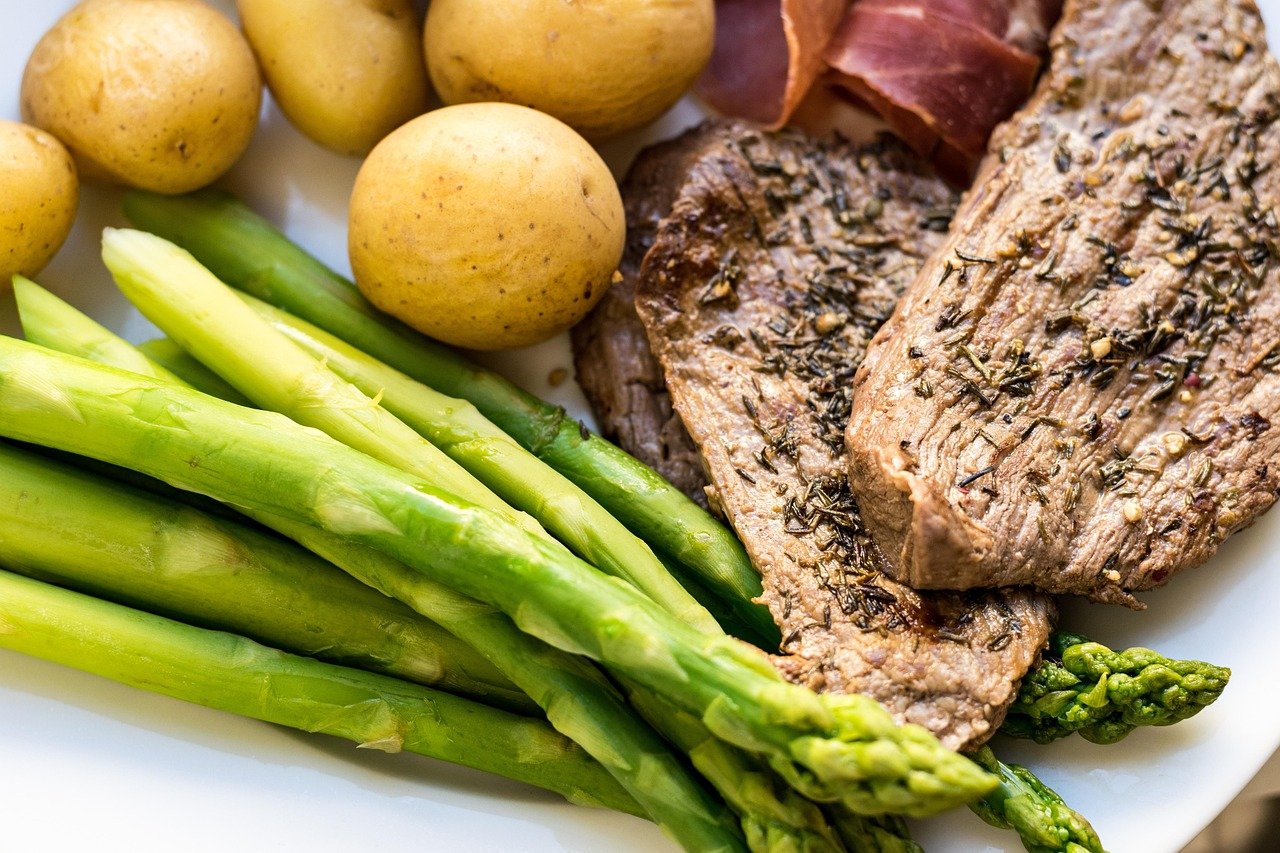
In Malaysian kitchens, chicken breast is notorious for drying out quickly when pan-seared or grilled. Rabbit meat offers a finely grained muscle structure that preserves moisture far better when prepared correctly.
Because domesticated rabbit is exceptionally lean, managing cooking heat ensures tender results across diverse local preparations:
- Gentle Braising: Slow simmering in aromatic local broths allows collagen to break down into rich gelatin without toughening lean muscle strands.
- Aromatics Pairing: Rabbit readily absorbs lemongrass, ginger, garlic, and fresh turmeric, making it an exceptional centerpiece for curries and soups.
- Quick High-Heat Searing: Boneless tenderloins can be flash-seared like medallions, finishing medium to retain succulence.
Our commitment to transparent farming means every cut features naturally tender, delicate meat free from chemical tenderizers or added saline injections.
Why Novel Protein Matters for Hypoallergenic Pet Nutrition
The comparison between rabbit meat vs chicken breast protein and cholesterol extends directly into raw pet diets. Commercial chicken stands as one of the most common allergens triggering chronic pruritus, ear infections, and digestive distress in cats and dogs across Peninsular Malaysia.
Switching pets to fresh rabbit provides notable therapeutic benefits for sensitive systems:
- Hypoallergenic Novelty: Most pets have never encountered lagomorph proteins, drastically reducing the risk of immune-mediated inflammatory reactions.
- Lean Muscle Mass: Superior protein density supports canine muscle synthesis without causing unwanted pancreatitis flare-ups from heavy animal fats.
- Natural Prey Model: Sourcing whole-carcass nutrition aligns with raw feeding guidelines, delivering balanced bone-to-meat ratios.
Dedicated raw feeders can explore our carefully managed cuts through our direct butcher options, ensuring their pets receive ethical, farm-fresh ingredients without fillers.
Sustainable Local Farming and Sourcing Fresh Novel Protein
Opting for rabbit meat instead of mass-produced poultry supports environmentally sustainable livestock practices. Rabbits convert forage into usable protein with remarkable efficiency, consuming far less water and land than traditional industrial poultry operations.
At Rabbitear Farms, we raise our animals with agricultural integrity, rejecting routine prophylactic antibiotics and synthetic growth stimulants. Choosing local meat over imported frozen alternatives guarantees Peak freshness for home cooks in Penang and beyond.
Whether you want to refine your personal meal prep or upgrade your pet’s raw bowls, exploring transparently raised novel proteins creates lasting wellness. Browse our complete inventory of humanely raised whole rabbit cuts and single-ingredient selections by visiting our Shop today to order fresh, locally farmed protein.
Related: Shop
Frequently Asked Questions
Is rabbit meat healthier than chicken breast?
Yes, rabbit meat is generally healthier than chicken breast because it delivers higher protein concentrations, roughly 33% less dietary cholesterol, and fewer overall calories per serving.
Does rabbit meat have less cholesterol than chicken?
Rabbit meat contains approximately 57mg of cholesterol per 100g cooked portion, whereas skinless chicken breast contains roughly 85mg, making rabbit the lower-cholesterol alternative.
Why is rabbit meat recommended for dogs with allergies?
Rabbit serves as a hypoallergenic novel protein that pets rarely have prior dietary exposure to, preventing the allergic reactions, skin irritations, and gastrointestinal issues frequently triggered by commercial chicken.
How does the protein quality of rabbit compare to poultry?
Rabbit protein contains a complete amino acid profile with exceptional digestibility, providing around 33 grams of protein per 100 grams along with higher concentrations of bioavailable iron and potassium.
Does rabbit meat dry out faster than chicken breast when cooking?
Because rabbit is naturally very lean, overcooking over unmonitored dry heat can cause dryness, but its fine muscle fibers retain moisture better than chicken when prepared via braising, poaching, or quick medium searing.
Learn more at rabbitearfarms.com.
