

To clean fresh rabbit meat cuts before cooking, gently rinse the portions under cold running water or pat them thoroughly dry with clean paper towels to lift residual bone dust and surface moisture. Carefully inspect each cut to trim off loose connective tissue, small fragments of fat, or residual sinew using a sharp boning knife. Avoid soaking rabbit cuts in stagnant water, as prolonged immersion degrades the delicate muscle fibers and increases bacterial cross-contamination risks.
Proper preparation ensures your rabbit remains mild, tender, and succulent whether you plan to braise a classic stew or prepare clean, species-appropriate novel protein for your pet. At Rabbit Ear Farm, our sustainable, pasture-raised rabbits are carefully dressed, giving home cooks and raw feeders the freshest starting point possible.
Essential Kitchen Hygiene and Setup Before Handling Rabbit
Handling rabbit requires the same microbiological care you would afford any premium lean poultry or pasture-raised game. Because fresh rabbit meat has a delicate surface structure, setting up a sanitized prep area prevents bacterial transfer and keeps your cuts pristine.
- Dedicated Cutting Boards: Use a non-porous plastic or dense composite cutting board reserved exclusively for raw meat handling to prevent cross-contamination with fresh produce.
- Cold Temperature Control: Keep your cuts refrigerated at or below 4 degrees Celsius until the very moment you are ready to prepare them.
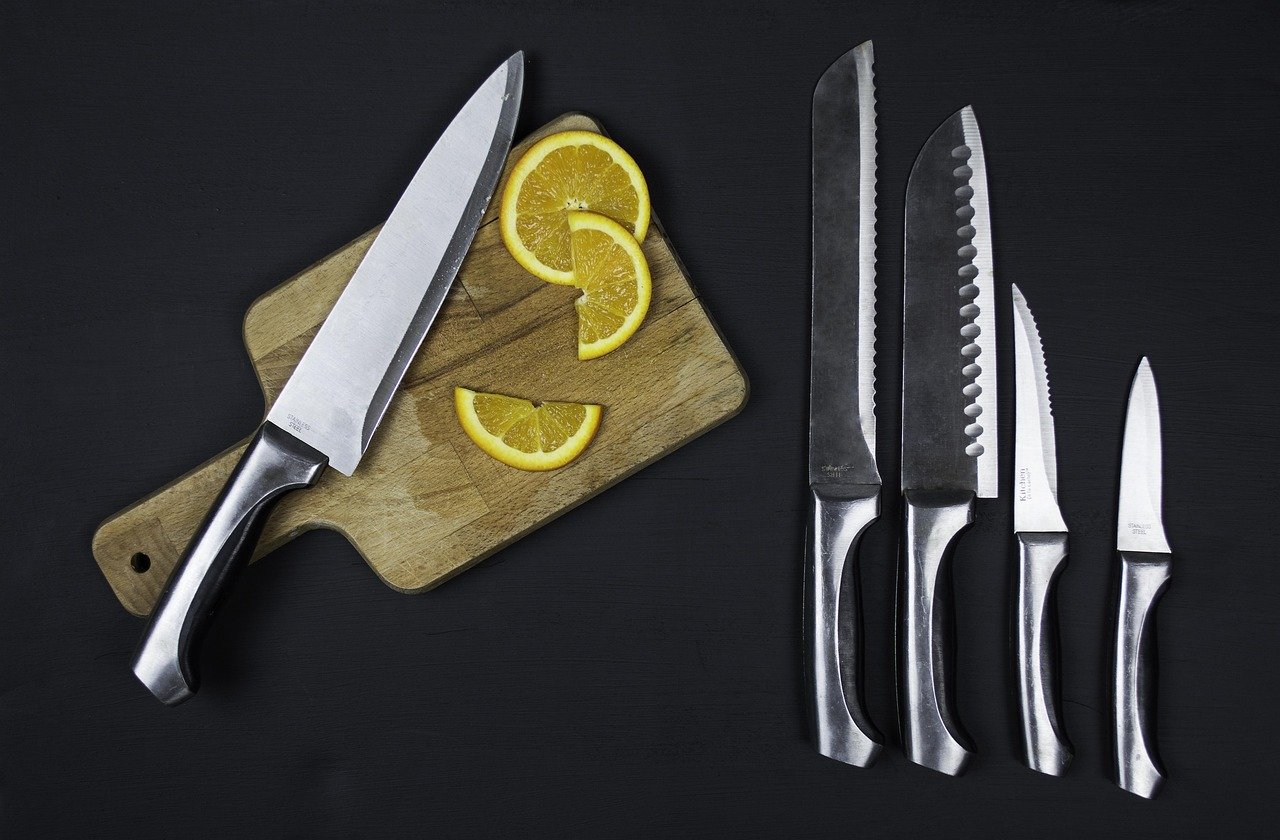
- Sanitized Utensils: Use a dedicated, razor-sharp boning knife and kitchen shears to make clean incisions without tearing tender muscle meat.
- Hand Sanitation: Wash hands thoroughly with warm water and antibacterial soap for at least 20 seconds before and immediately after handling raw pieces.
Taking a few moments to organize your workspace makes knowing how to clean fresh rabbit meat cuts before cooking straightforward, hygienic, and stress-free.
Step-by-Step Guide to Washing, Rinsing, and Drying Rabbit Cuts
Culinary experts and food safety authorities often debate washing meat, but fresh-butchered farm cuts benefit from specific surface clearing. Follow this systematic routine to preserve meat integrity while eliminating stray debris.
Step 1: The Controlled Cold Rinse
Hold each individual rabbit portion—such as the hind saddle or forelegs—under a very gentle stream of cold tap water. Keep the stream low to prevent aerosolizing moisture onto nearby countertops or dish racks, focusing simply on rinsing away natural blood spots or fine bone dust from the butcher’s saw.
Step 2: Immediate Drying
Transfer the rinsed portions immediately onto a double layer of unbleached paper towels. Firmly pat every side completely dry; eliminating surface dampness is essential because excess water causes meat to steam rather than sear during cooking.
Step 3: Removing the Silverskin
Inspect the loin and saddle areas for the thin, iridescent membrane known as silverskin. Slip the tip of your boning knife beneath this membrane, angling the blade slightly upward, and peel it back smoothly to prevent the cut from curling into a tough texture under heat.
When you master how to clean fresh rabbit meat cuts before cooking using this technique, you safeguard the natural, delicate flavor notes unique to sustainable small-farm rabbit.
Brining vs. Vinegar Soaks: Enhancing Tenderness and Flavor
While antibiotic-free, ethically raised rabbit carries a delightfully clean, mild profile reminiscent of fine poultry, optional pre-cook soaks can enhance moisture retention. Depending on your culinary goal, distinct soaking liquids provide unique benefits for human meals.
- Gentle Salt Water Brine: Dissolve 30 grams of sea salt in one liter of cold water and submerge cuts for 1 to 2 hours to season deep into the muscle and lock in juiciness.
- Dilute Apple Cider Vinegar Wash: A quick 10-minute dip in cold water mixed with two tablespoons of raw vinegar helps eliminate residual gamey traces from older wild specimens, though fresh farm rabbit rarely requires it.
- Buttermilk Soaking: Submerging hind legs in whole buttermilk overnight tenderizes muscular fibers through mild lactic acid activity, perfect for Southern-style frying.
- Aromatic Wine Marinade: Resting the meat in dry white wine with rosemary and garlic primes lean portions for traditional Mediterranean slow braises.
If you source naturally fed, farm-fresh rabbit, aggressive marinades are unnecessary because healthy, low-stress husbandry yields inherently sweet, tender meat.
Butchering Cuts and Prepping for Raw Pet Diets
Many pet parents in Penang and across West Malaysia seek out ethical rabbit as a hypoallergenic novel protein for cats and dogs suffering from severe food intolerances. Preparing fresh rabbit cuts for your pet’s bowl requires minor adjustments compared to culinary cooking.
When prepping for a raw meal, skip all salt brines, vinegar rinses, marinades, and seasonings entirely. Simply rinse the raw meat portions under cold water to clear loose debris, inspect the cuts, and portion them out according to your pet’s raw feeding ratios.
- Keep Healthy Fat: Unlike human cooking where you might trim peripheral fat caps, leave small natural fat ribbons intact to provide essential fatty acids for your pet’s coat.
- Edible Bone Safety: Never cook bones destined for pets; feed rabbit ribs, necks, and forelegs completely raw so they remain pliable and safe to chew.
- Safe Thawing: If freezing portions for meal prep, thaw sealed portions slowly inside your refrigerator rather than on warm countertops to maintain nutrient vitality.
Discovering reliable sources of clean whole rabbit simplifies building balanced ancestral meals that help resolve persistent canine skin allergies and digestive distress.
Common Meat Prep Mistakes to Avoid
Because rabbit is exceptionally lean—boasting higher protein and lower cholesterol than beef or chicken—it is prone to drying out if prepped carelessly. Avoiding a few widespread prep errors will protect your culinary investment.
- Soaking in Hot Water: Never use warm or hot water to rinse or thaw your cuts, as this prematurely begins cooking delicate exterior proteins and breeds bacteria.
- Over-Trimming Connective Tissue: Avoid cutting deeply into the meat while trimming silverskin; rabbit loins are compact, and aggressive knife work wastes prime portions.
- Skipping the Drying Stage: Placing wet rabbit straight into an oiled pan lowers frying temperature immediately, resulting in tough, boiled-tasting meat without a golden crust.
- Using Harsh Chemical Washes: Never clean your cuts with soap, bleach solutions, or undiluted high-acid concentrates that penetrate and ruin natural meat fibers.
Knowing how to clean fresh rabbit meat cuts before cooking properly preserves every ounce of nutritional value. If you are ready to experience the unmatched flavor and vitality of pasture-raised, antibiotic-free rabbit, explore our farm-fresh offerings delivered across Penang and West Malaysia today.
Frequently Asked Questions
Should you wash fresh rabbit meat before cooking it?
A gentle rinse under cold running water is recommended only to remove bone dust or loose debris from butchering. Always pat the meat completely dry with paper towels immediately afterward to prevent surface bacteria from spreading and to ensure proper browning.
How do you get the wild or gamey taste out of rabbit meat?
Farm-raised rabbit is naturally mild and tastes similar to fine chicken, but soaking cuts in cold milk, buttermilk, or a mild saltwater brine for 1 to 2 hours will neutralize any lingering gaminess.
Do I need to remove the silverskin from fresh rabbit cuts?
Yes, you should peel or trim away the thin, shiny membrane covering the loin and saddle cuts. Leaving silverskin intact causes the meat to tighten, curl, and become unpleasantly chewy during cooking.
How should I clean raw rabbit cuts intended for my dog or cat?
Rinse the pieces briefly under cold running water to clear bone splinters or debris, and pat dry without using any salt, vinegar, or seasonings. Raw-fed pets thrive on unseasoned, natural meat cuts with edible raw bone intact.
Can I thaw frozen rabbit cuts in water to clean them faster?
Only thaw rabbit cuts submerged in their leak-proof sealed packaging within a bowl of cold tap water, changing the water every 30 minutes. Never soak exposed, unsealed meat cuts directly in standing water to thaw them.
Learn more at rabbitearfarms.com.
