
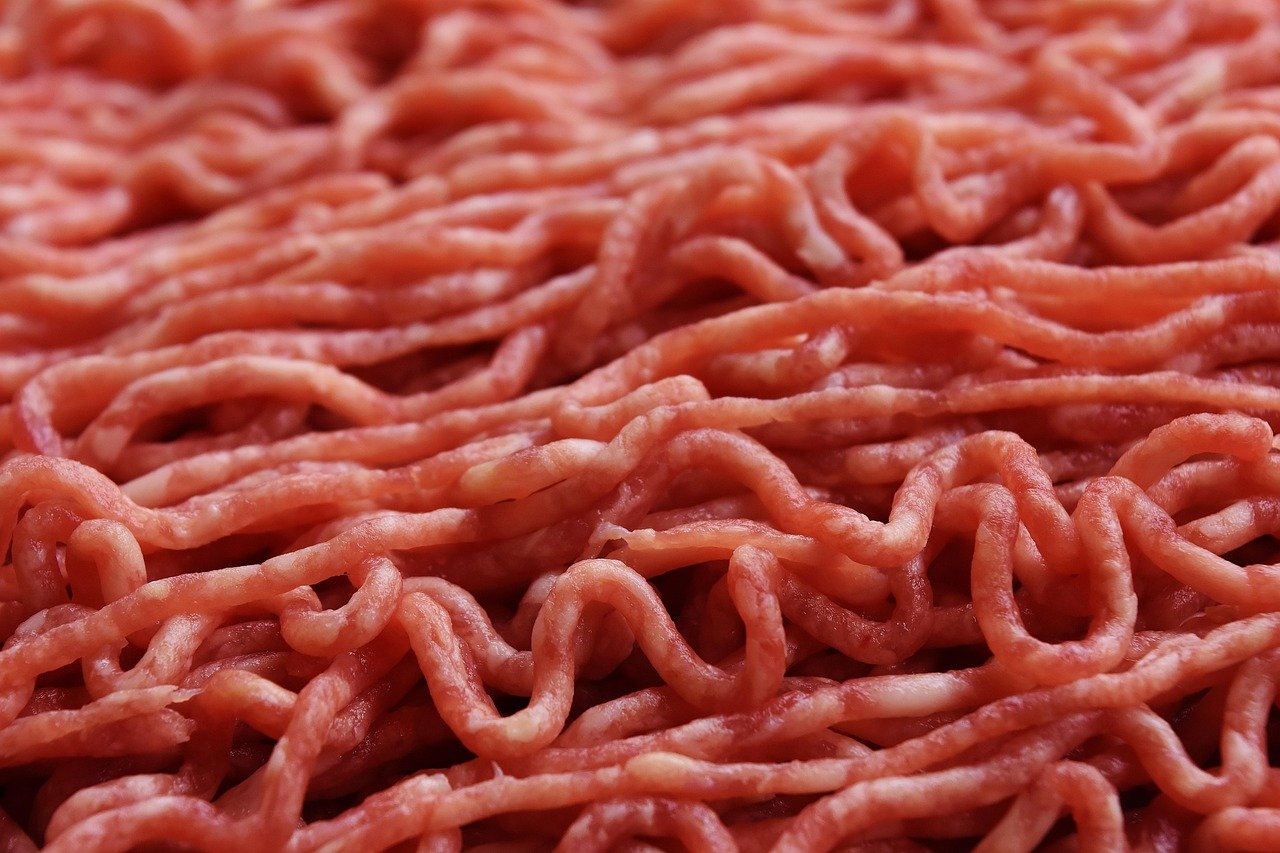
To prepare raw rabbit meat for dog BARF diet feeding, balance the whole carcass according to standard ancestral ratios: 70% muscle meat, 10% edible raw bone, 10% organ (half liver, half other secreting organs), and 10% dog-safe vegetables, seeds, or supplements. Thaw whole or pre-portioned rabbit in your refrigerator, portion it into meal-sized containers using separate poultry shears, and feed raw—never cooked.
For pet parents in West Malaysia caring for dogs with severe food allergies, raw rabbit serves as a hypoallergenic, ultra-lean novel protein that supports skin recovery and lean muscle. By learning how to prepare raw rabbit meat for dog barf diet success, you give your dog pristine, antibiotic-free ancestral nutrition without commercial fillers.
Understanding the BARF Diet Framework for Rabbit Protein
The Biologically Appropriate Raw Food (BARF) model replicates what wild canines thrive on by combining muscle, bone, secreting organs, and plant matter. When working with whole or cut rabbit, fitting each part into these precise macronutrient buckets prevents long-term nutritional deficiencies.
Rabbit is classified as a cold-energy, novel protein in holistic pet wellness. It is uniquely gentle on sensitive digestive tracts while offering dense micronutrient profiles.
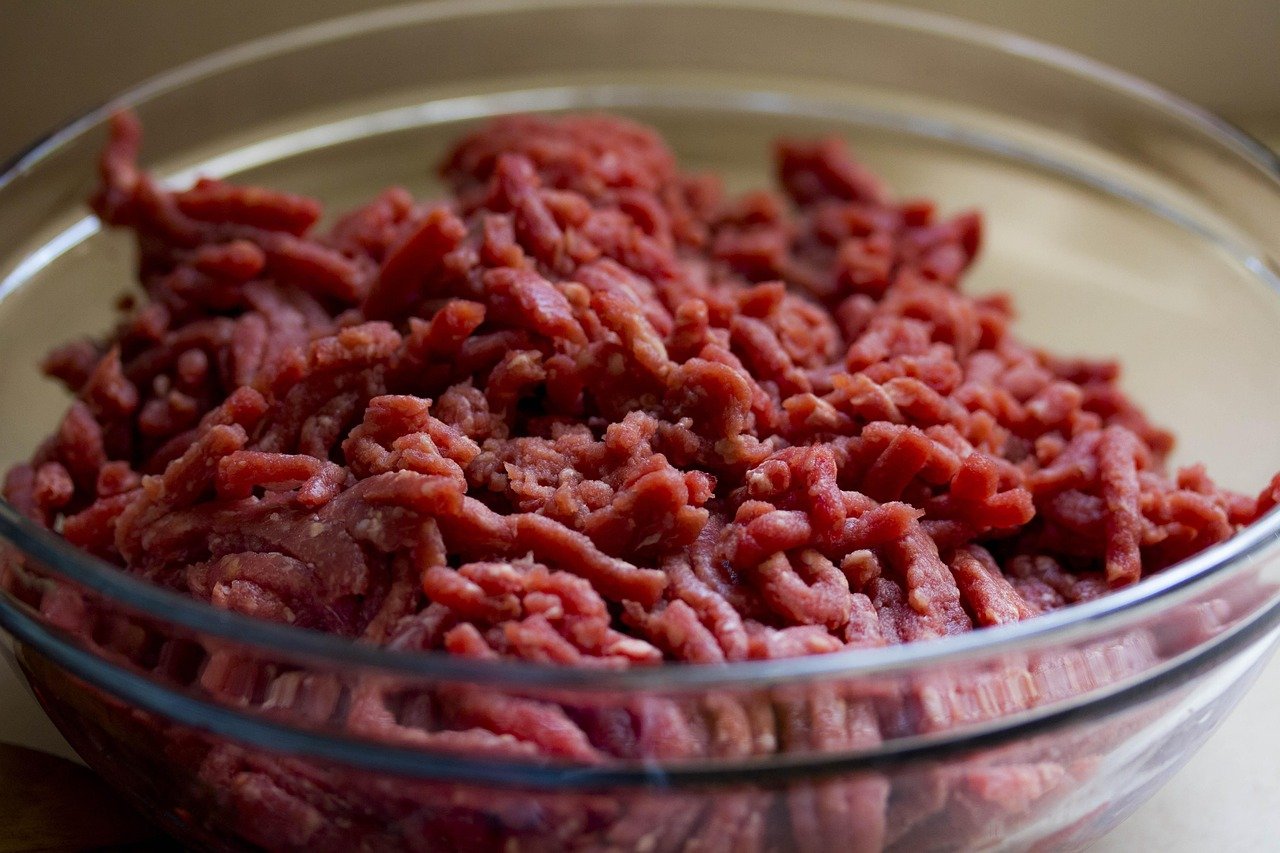
- Muscle Meat (70%): Includes rabbit loins, front and hind quarters, heart, tongue, lungs, and trimmings that deliver essential amino acids and lean energy.
- Raw Edible Bone (10%): Provides bioavailable calcium and phosphorus through soft ribs, spines, and smaller joint bones.
- Liver (5%): Supplies high concentrations of preformed vitamin A, iron, and copper vital for cellular repair.
- Other Secreting Organs (5%): Rabbit kidneys and spleen deliver critical B vitamins, selenium, and trace minerals.
- Plant Matter & Boosters (10%): Puréed leafy greens, steamed squash, and omega-3 oils mimic the stomach contents of small wild prey.
Adopting an ancestral diet for dogs with farm-fresh rabbit ensures your canine receives unadulterated nourishment free from commercial preservatives.
Related: ancestral diet for dogs
Essential Equipment and Safe Handling in Humid Climates
Prepping raw meat in warm, tropical environments like Penang requires strict temperature management and kitchen hygiene. Rabbit is lean and delicate, meaning moisture loss and bacterial growth must be carefully controlled from freezer to bowl.
Assemble the proper butchery tools before unpacking your meat. High-quality tools make separating bone and cartilage effortless while maintaining kitchen sanitation.
- Heavy-Duty Poultry Shears: Essential for slicing through rabbit rib cages, spinal columns, and shoulder joints without splintering.
- Non-Porous Cutting Boards: Use dedicated high-density plastic or composite boards that will not absorb blood or juices.
- Digital Kitchen Scale: Measures grams accurately so daily bone-to-meat ratios remain consistent over time.
- Airtight Glass or BPA-Free Tubs: Prevents oxidation and cross-contamination when batching meals for the week.
Always defrost rabbit meat inside your refrigerator over 24 to 36 hours rather than leaving it on the counter at room temperature. Disinfect all prep counters, knives, and scales with a pet-safe vinegar-water wash or mild antibacterial soap immediately after processing.
Step-by-Step: Cutting, Portioning, and Balancing the Carcass
Mastering how to prepare raw rabbit meat for dog barf diet recipes becomes simple once you break the carcass down systematically. A standard whole dressed rabbit typically contains around 10% to 15% bone by weight, making it one of nature’s most perfectly balanced prey animals for canines.
1. Separate the Muscle Quarters
Begin by removing the front legs and large hind quarters using a sharp utility knife or cleaver. These dense muscular sections form the core 70% muscle meat base for your daily meal portions.
2. Section the Edible Bones
Cut the rib cage into individual rib strips and chop the spine into manageable vertebrae sections using your heavy poultry shears. Rabbit bones are naturally pliable, hollow, and soft, making them completely safe for dogs to crunch raw.
3. Weigh Organs Accurately
Weigh the rabbit liver, kidneys, and spleen separately on your gram scale. If your whole rabbit arrived dressed without sufficient organs, supplement the batch with additional frozen rabbit or beef secreting organs to hit your exact 10% target.
4. Add Fiber and Antioxidants
Blend dark leafy greens such as spinach or bok choy with steamed pumpkin and a dash of cold-pressed kelp meal. Fold this purée into the portioned meat chunks to support smooth digestion and firm stools.
If you prefer ready-to-serve prep over butchering whole carcasses, using balanced raw rabbit chunks for dogs saves substantial kitchen time while keeping your BARF ratios dialed in.
Related: raw rabbit chunks for dogs
Navigating Bone Safety: Whole Bones vs. Ground Portions
A common concern among beginners is whether whole rabbit bones pose a choking hazard or internal puncture risk. The golden rule of raw feeding is absolute: never feed cooked bones of any kind. Cooking alters the collagen structure, turning flexible bone brittle and prone to dangerous splintering.
Raw rabbit bones, by contrast, are soft, spongy, and easily crushed by canine molars. They clean plaque from teeth and stimulate jaw muscles naturally.
- For Large and Medium Dogs: Whole rabbit heads, hind legs, and ribs provide vital mental enrichment and natural dental flossing as the dog chews through meat and connective tissue.
- For Toy Breeds and Gulping Dogs: Dogs that swallow food whole without chewing should receive rabbit carcasses passed through a heavy-duty meat grinder, or whole ribs held by hand while they learn to gnaw.
- Stool Monitoring: White, chalky, or crumbly stool indicates too much bone in the meal; loose, dark stool means you need slightly more bone to firm it up.
Understanding these feeding nuances is an integral part of mastering the raw food diet for dogs, ensuring your companion receives bone benefits without stress.
Related: mastering the raw food diet for dogs
Sourcing Ethically Raised, Chemical-Free Rabbit Locally
The quality of your raw preparation depends entirely on how the animal was raised. Commercial factory-farmed meats frequently carry residues of routine preventative antibiotics and artificial growth promoters that can trigger flare-ups in hypersensitive dogs.
At Rabbit Ear Farm, our sustainable breeding operation in Penang adheres to strict animal welfare and clean-farming standards. Our rabbits are raised in clean, spacious, forage-supplemented environments completely free from antibiotics and hormonal stimulants.
When you know how to prepare raw rabbit meat for dog barf diet meals using fresh, local livestock, you gain complete control over your dog’s longevity and allergy relief. Explore our fresh butchery selections on the Rabbit Ear Farm shop today to secure premium, antibiotic-free novel protein delivered directly to your doorstep in West Malaysia.
Related: Rabbit Ear Farm shop
Frequently Asked Questions
Can I feed my dog a whole raw rabbit with the fur still on?
Yes, whole prey rabbit with fur is excellent for dogs because the hair acts as an undigested dietary fiber that naturally sweeps the intestinal tract and cleanses anal glands.
Is raw rabbit meat safe for dogs with severe food allergies?
Raw rabbit is considered a premier novel protein because most dogs have never been exposed to it, making it virtually non-reactive for canines suffering from chicken or beef intolerances.
Do I need to freeze raw rabbit before feeding it to my dog?
Freezing fresh raw rabbit at -20°C for at least two to three weeks is recommended to eliminate potential parasites before serving it raw to your pet.
Can small dog breeds safely eat raw rabbit bones?
Yes, small breeds can easily digest soft rabbit ribs, neck pieces, and wing tips, though owners should supervise meals or use coarsely ground carcass for aggressive gulpers.
How much raw rabbit should I feed my dog per day on a BARF diet?
Adult dogs generally require 2% to 3% of their ideal adult body weight daily in balanced BARF food, adjusted up or down based on individual activity level and metabolism.
Learn more at rabbitearfarms.com.
