
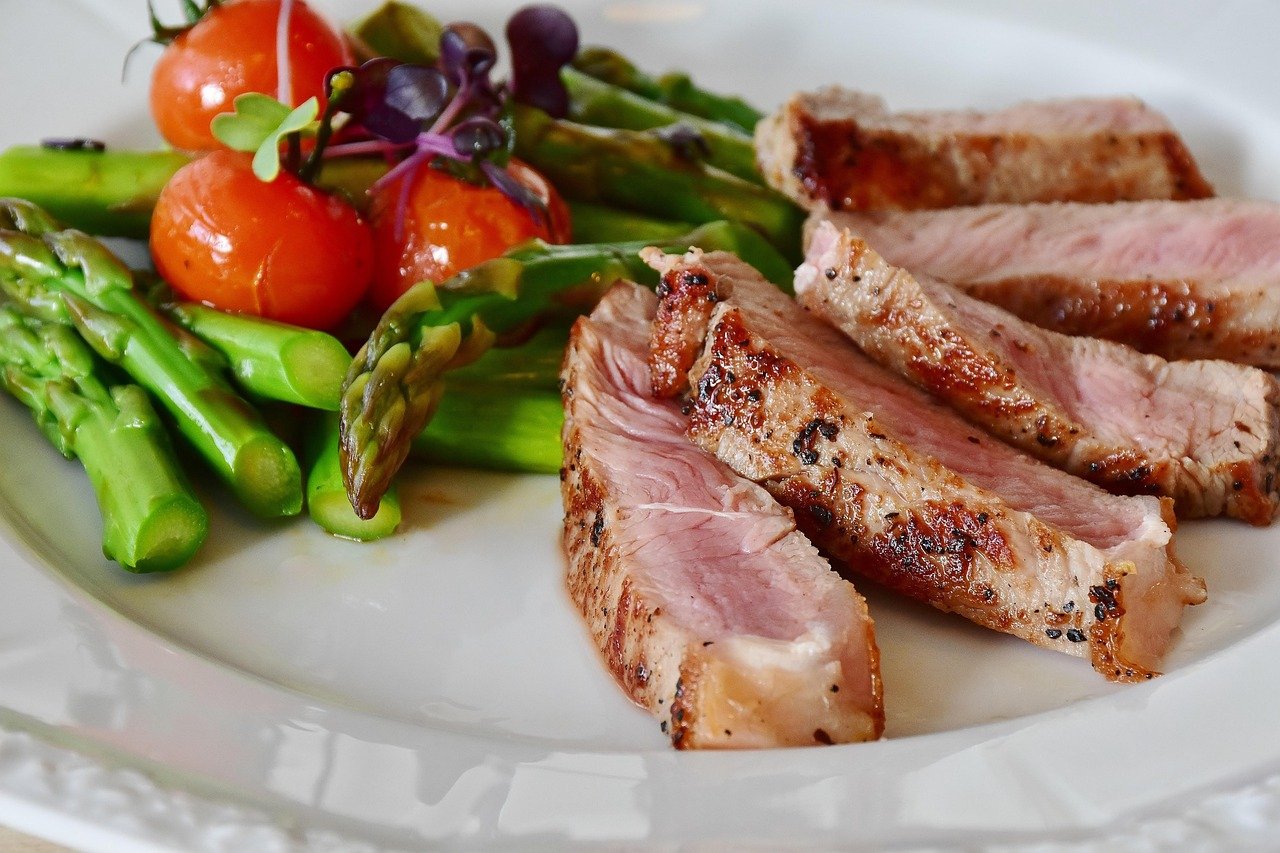


The core health benefits of rabbit meat for heart disease stem from its uniquely low levels of saturated fat, cholesterol, and sodium, paired with exceptionally high concentrations of lean protein and essential minerals. Medical and nutritional research classifies rabbit as one of the cleanest, most cardiovascular-friendly meats available for maintaining arterial health.
For individuals managing hypertension or arterial plaque, swapping conventional red meats for sustainably raised rabbit provides essential amino acids without burdening the circulatory system. This naturally lean protein helps optimize lipid profiles while preventing fluid retention.

Cardiovascular Nutrition: Why Rabbit Outperforms Conventional Meats
When cardiologists recommend reducing red meat intake, the primary goal is curbing dietary saturated fat and cholesterol. Rabbit meat functions differently than commercial pork, beef, or processed poultry, offering a distinct biochemical profile that protects the vascular system.
Data from global agricultural organizations confirms that rabbit possesses the lowest fat percentage among common culinary meats. These nutritional advantages directly impact long-term heart markers:
- Minimal Saturated Fat: Rabbit contains approximately 3 grams of total fat per 100-gram serving, reducing the lipid volume circulating through delicate coronary arteries.
- Low Cholesterol Count: With roughly 50 milligrams of cholesterol per serving, it helps prevent systemic low-density lipoprotein (LDL) oxidation.
- High Biological Value: Providing over 21% digestible protein, it supports myocardial muscle maintenance without dense caloric loads.
Choosing pasture-raised, locally sourced cuts ensures your plate remains free from industrial additives that strain blood vessels. You can easily expand your healthy protein options by integrating this nutrient-dense alternative into your weekly meal rotation.
Related: expand your healthy protein options

The Sodium-to-Potassium Balance in Blood Pressure Regulation
Hypertension remains a leading precursor to chronic cardiovascular events, making electrolyte control critical. Rabbit meat naturally possesses an exceptional electrolyte ratio, featuring remarkably low sodium paired with abundant potassium.
Excessive sodium intake forces arterial walls to retain fluid, spiking overall blood pressure and wearing down cardiac muscle tissue over time. The natural composition of rabbit supports tension reduction:
- Trace Sodium Levels: Fresh rabbit meat contains significantly less sodium per gram than commercially processed chicken or industrial beef cuts.
- Cardioprotective Potassium: Potassium acts as an arterial vasodilator, encouraging kidneys to flush excess salt while relaxing blood vessel lining.
- Fluid Balance: This synergistic mineral balance protects against peripheral edema and vascular strain throughout the day.
Preparing rabbit alongside fresh culinary herbs, garlic, and leafy greens maximizes these mineral advantages without requiring salt shakers or artificial flavor enhancers.
Essential Fatty Acids and Arterial Plaque Defense
Not all dietary fats damage the cardiovascular system; the type of lipid consumed determines vascular inflammation levels. Rabbit meat contains a surprisingly favorable ratio of polyunsaturated fatty acids (PUFAs) relative to saturated fatty acids.
Sustainable farming and forage feeding amplify these lipid benefits. When animals consume natural vegetation, their tissue accumulates beneficial omega-3 alpha-linolenic acids:
- Anti-Inflammatory Lipids: Omega-3 fatty acids actively temper systemic inflammation, preventing micro-tears within arterial walls where cholesterol collects.
- Endothelial Protection: Balanced fatty acid ratios preserve arterial flexibility, reducing the onset of arteriosclerosis.
- Stable Homocysteine Levels: Natural B vitamins inside rabbit meat work alongside healthy fats to clear homocysteine, a verified marker for stroke risk.
Modern clinical dietary patterns, including the Mediterranean and Paleo frameworks, increasingly highlight the distinct cardiovascular perks of novel game proteins. Consuming forage-raised meats connects your kitchen to genuine nutritional heritage, proving that ancient foodways hold powerful preventative medical solutions.

Bioavailable Micronutrients for Cardiac Muscle Function
The heart is an energetic organ that beats over 100,000 times daily, demanding constant micronutrient replenishment. Rabbit meat serves as a dense biological reservoir of B-complex vitamins, bioavailable iron, and selenium.
These micronutrients directly support cellular mitochondrial respiration inside cardiac muscle fibers:
- Vitamin B12 Abundance: B12 is essential for producing robust red blood cells, ensuring steady oxygen distribution directly to coronary tissue.
- Heme Iron Delivery: The bioavailable iron in rabbit protects against cardiac fatigue and chronic anemia without overloading the liver with ferritin.
- Potent Selenium: As a cofactor for glutathione peroxidase, dietary selenium protects heart tissues from everyday oxidative stress and free radical damage.
- Niacin (Vitamin B3): Rabbit provides therapeutic levels of niacin, a key vitamin widely recognized for its clinical capacity to raise protective HDL cholesterol.
These biochemical properties validate why holistic nutritionists recommend clean rabbit meat for human cardiovascular therapy as well as longevity feeding for family pets.
Ethical Farming and Antibiotic-Free Purity for Lifelong Vitality
How an animal is raised directly dictates the chemical quality of its meat. Commercial feedlot animals often endure routine preventative antibiotics, synthetic growth hormones, and high-stress environments that saturate muscle tissue with cortisol.
At Rabbit Ear Farm in Penang, our husbandry centers on slow growth, stress-free handling, and clean, wholesome nutrition. Animals raised without synthetic chemical inputs develop cleaner, denser muscle tissue rich in heart-protective micronutrients.
This careful stewardship creates unmatched nutritional benefits for both discerning home cooks and pet parents practicing raw feeding. Novel proteins free from chemical interventions eliminate chronic inflammatory triggers that compromise organ health over decades.
Understanding the full scope of nutrient dense rabbit meat fueling optimal health for humans pets demonstrates how local, sustainable agriculture safeguards our community’s vitality. Exploring ethical, locally sourced cuts allows you to protect your family’s cardiovascular future starting with tonight’s dinner table.
Whether you are seeking preventative dietary solutions for yourself or pure novel proteins for your raw-fed dog, Rabbit Ear Farm supplies fresh, ethical, antibiotic-free meat delivered across West Malaysia. Discover our selection at our Shop today to support your heart with honest, pasture-inspired nutrition.
Related: nutrient dense rabbit meat fueling optimal health for humans pets
Related: Shop
Frequently Asked Questions
Can heart disease patients eat rabbit meat instead of chicken?
Yes, rabbit meat is an exceptional substitute for chicken because it contains comparable high-quality protein, lower overall fat percentages, and fewer calories per serving. Its natural low-sodium profile makes it especially suitable for managing cardiovascular strain.
What are the primary health benefits of rabbit meat for heart disease?
The main benefits include very low saturated fat and cholesterol levels, trace sodium content, and high concentrations of potassium and niacin. Together, these nutrients reduce arterial plaque accumulation, lower blood pressure, and improve systemic lipid profiles.
How does rabbit meat lower blood pressure?
Rabbit meat is naturally low in sodium and rich in potassium, an electrolyte combination that encourages kidneys to eliminate excess fluid. This mineral synergy relaxes arterial walls and reduces systemic vascular resistance.
Does rabbit meat contain heart-healthy omega-3 fatty acids?
Yes, sustainably raised, forage-fed rabbit meat contains notable levels of polyunsaturated fatty acids, including omega-3 alpha-linolenic acid. These healthy fats reduce arterial inflammation and lower the risk of cardiovascular plaque formation.
How often can I include rabbit meat in a cardiovascular diet?
Rabbit meat can be safely consumed three to four times per week as your primary lean protein source. Its clean nutrient density provides vital tissue-building amino acids without elevating blood cholesterol or inflammatory markers.
Learn more at rabbitearfarms.com.
