
Yes, cats can eat dehydrated rabbit neck bones safely provided they are gently dried at low temperatures and served under supervision. Rabbit necks consist of light, hollow, and porous cervical vertebrae that crumble rather than shatter under feline jaws.
Because true dehydration removes moisture without baking or calcifying the bone structure, these single-ingredient chews provide exceptional natural dental abrasion and essential minerals like calcium and phosphorus.
However, safety depends entirely on how the treat was processed, your cat’s individual eating style, and whether you monitor them during feeding.
Understanding Bone Density: Why Rabbit Necks Suit Felines
Feline jaw mechanics are engineered for shearing meat and crushing tiny vertebrate skeletons rather than grinding dense mammalian limbs. Large beef or pork bones easily fracture feline teeth, but small prey anatomy matches their evolutionary design.
Rabbit necks are naturally delicate, consisting of small cervical vertebrae wrapped in lean muscle, connective tissue, and cartilage. This specific physical profile makes them ideal for natural pet nutrition:
- Porous Structure: Rabbit cervical vertebrae have low mineral density compared to weight-bearing leg bones, allowing them to crush safely under modest jaw pressure.
- High Cartilage Ratio: The neck column contains extensive connective discs that cushion chewing and offer natural glucosamine for joint health.
- Feline Portioning: The slender diameter fits neatly into a cat’s mouth, encouraging them to use their side carnassial teeth properly.
When owners source clean whole animal protein, small novel prey bones provide species-appropriate mental and physical enrichment.
Related: whole animal protein
Dehydrated vs. Cooked Bones: The Crucial Safety Difference
The golden rule of feeding bones to cats is simple: never feed cooked bones. High-heat cooking methods such as boiling, roasting, or baking alter the molecular structure of collagen and bone matrix.
Cooking hardens the bone into brittle glass-like shards that splinter sharply, posing severe risks of esophageal tearing or intestinal perforations. Proper low-temperature dehydration behaves very differently:
- Moisture Evaporation: Commercial dehydrators operate at gentle temperatures between 60°C and 70°C, removing water while preserving collagen flexibility.
- Crumbly Texture: Properly dehydrated rabbit bones do not splinter into needle-like points; instead, they pulverize into gritty meal when chewed.
- Nutrient Retention: Low-temperature drying preserves vital enzymes, fatty acids, and amino acids that would otherwise degrade under intense heat.
Always verify that treats are produced through gentle airflow drying rather than rapid industrial baking.
Nutritional Benefits of Dehydrated Rabbit Chews for Cats
Dehydrated rabbit necks are far more than an engaging chew toy; they function as a concentrated, biologically appropriate nutritional supplement. As obligate carnivores, cats require precise balances of trace minerals that commercial synthetic additives struggle to replicate naturally.
Integrating single-ingredient novel treats into your cat’s rotation delivers several holistic health advantages:
- Optimal Mineral Ratio: Bone tissue supplies bioavailable calcium and phosphorus in the exact 1.1:1 to 1.3:1 ratio mandatory for cellular function and skeletal maintenance.
- Mechanical Plaque Removal: As the neck fibers and crumbling vertebrae scrape the gum line, they naturally brush away plaque before it hardens into dental calculus.
- Hypoallergenic Novel Protein: Cats suffering from food intolerances to commercial chicken, beef, or fish routinely thrive on rabbit, which eliminates skin inflammation and bowel flare-ups.
- Digestive Fiber Alternative: Small quantities of bone matter add necessary bulk to the stool, helping express anal glands naturally and firming up loose stools.
Dedicated pet owners committed to sustainable raw pet food frequently use rabbit necks to balance out boneless muscle meat meals.
Related: sustainable raw pet food
Step-by-Step Guide: How to Introduce Rabbit Necks to Your Cat
If your cat has eaten only kibble or smooth canned pate, their jaw muscles may need conditioning before tackling whole bones. Rushing the process can lead to frustration or improper chewing habits.
Phase 1: Assess Chewing Style
Every cat approaches novel chews differently. Discern whether your cat is a cautious gnawer who savors each bite or an impulsive gulper who attempts to swallow pieces whole.
Phase 2: Use the Hand-Held Method
Hold one end of the dehydrated rabbit neck firmly with your fingers while allowing your cat to gnaw on the opposite end. This forces them to engage their back carnassials rather than trying to swallow the piece in one piece.
Phase 3: Control Portions and Frequency
Introduce the chew gradually to prevent mild digestive upset. Follow this practical feeding schedule:
- Week One: Allow 2 to 3 minutes of supervised gnawing once during the week, then store the chew in an airtight container in the freezer.
- Week Two: Offer half a rabbit neck segment once or twice weekly, monitoring stool consistency the following morning.
- Maintenance: Feed one whole dehydrated neck per week as a dental chew or divide it across meals as a natural calcium balancer.
Our experience with raising rabbit for meat purpose demonstrates that fresh, clean processing ensures the safest textural results for domestic pets.
Related: raising rabbit for meat purpose
Potential Hazards, Red Flags, and Safety Precautions
While asking can cats eat dehydrated rabbit neck bones safely yields a reassuring answer, safety is never entirely passive. Responsible raw feeding requires active oversight and immediate intervention if problems arise.
Keep these vital precautions top of mind whenever treating your feline:
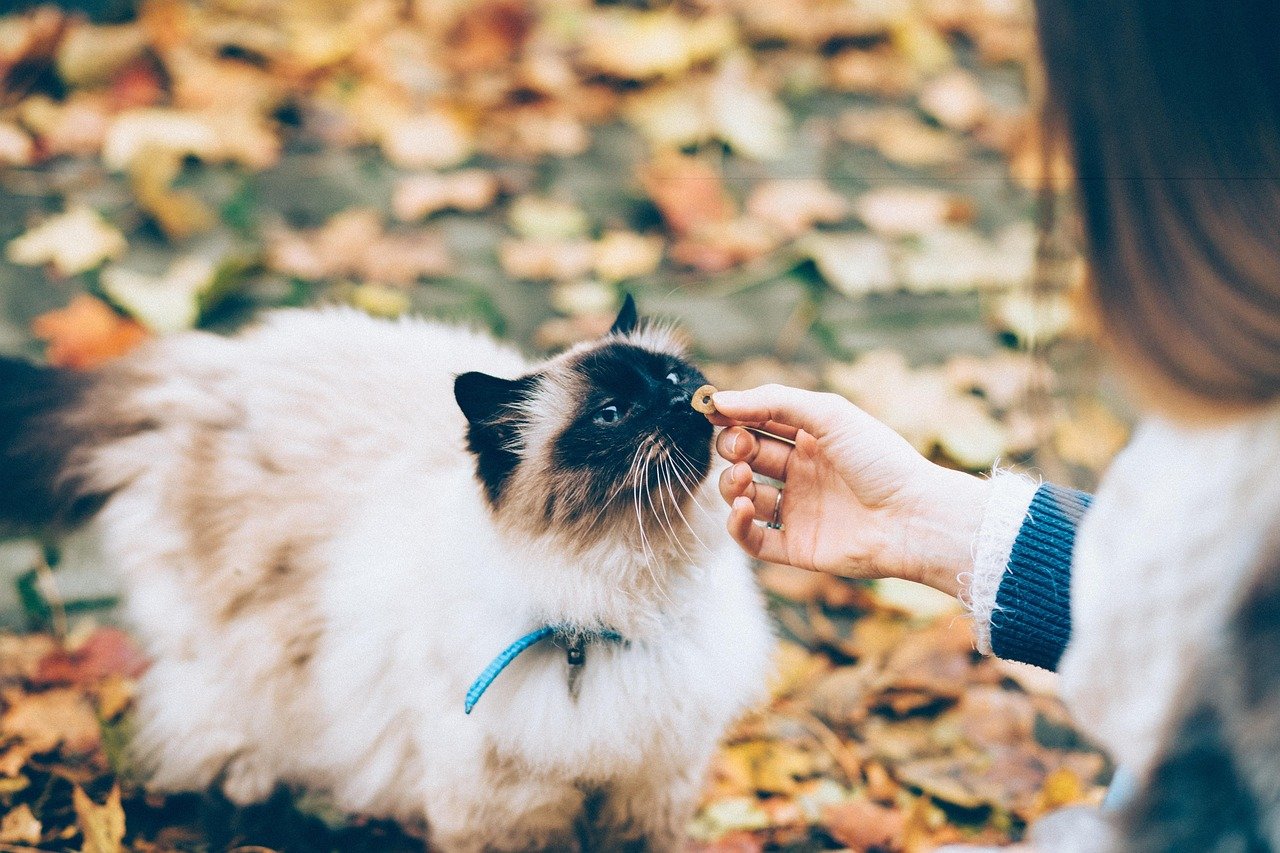
- Supervision is Non-Negotiable: Never leave a cat unattended with a bone chew; take the remaining nub away once it becomes small enough to swallow whole.
- Constipation Risk: Ingesting excessive bone matter can turn stools chalky, dry, and difficult to pass. Limit intake if you notice straining in the litter box.
- Pre-Existing Dental Disease: Cats with advanced periodontal disease, broken teeth, or resorptive lesions should not chew dehydrated bones, as weakened teeth could fracture.
- Hydration Needs: Dehydrated treats absorb moisture during digestion; always ensure your cat has continuous access to clean, fresh water.
If you are looking for antibiotic-free novel meats and natural pet treats raised sustainably in Peninsular Malaysia, explore the clean whole cuts and single-ingredient treats available at the Rabbitear Farms shop.
Related: Rabbitear Farms shop
Frequently Asked Questions
Can kittens eat dehydrated rabbit neck bones?
Yes, kittens over 12 weeks of age can chew dehydrated rabbit necks once their permanent teeth begin erupting. Always hold the bone while they chew to teach safe gnawing habits.
Can dehydrated rabbit bones splinter like cooked chicken bones?
No, properly dehydrated rabbit bones do not splinter like cooked bones because low-temperature drying preserves collagen flexibility. Under jaw pressure, they crumble into small, blunt fragments rather than sharp shards.
How often should I give my cat a dehydrated rabbit neck?
One dehydrated rabbit neck per week is sufficient for dental maintenance and mineral enrichment. Feeding too many can supply excess calcium and cause dry, chalky stools.
What should I do if my cat swallows a piece of rabbit neck whole?
Monitor your cat closely over the next 24 to 48 hours for signs of distress, lethargy, or vomiting. In healthy adult cats, strong stomach acid usually dissolves small, porous rabbit vertebrae without complication.
Do dehydrated rabbit necks replace regular teeth brushing?
Rabbit necks provide exceptional mechanical abrasion that substantially reduces plaque along the cheek teeth, but they do not fully replace comprehensive veterinary oral examinations and dedicated home care.
Learn more at rabbitearfarms.com.