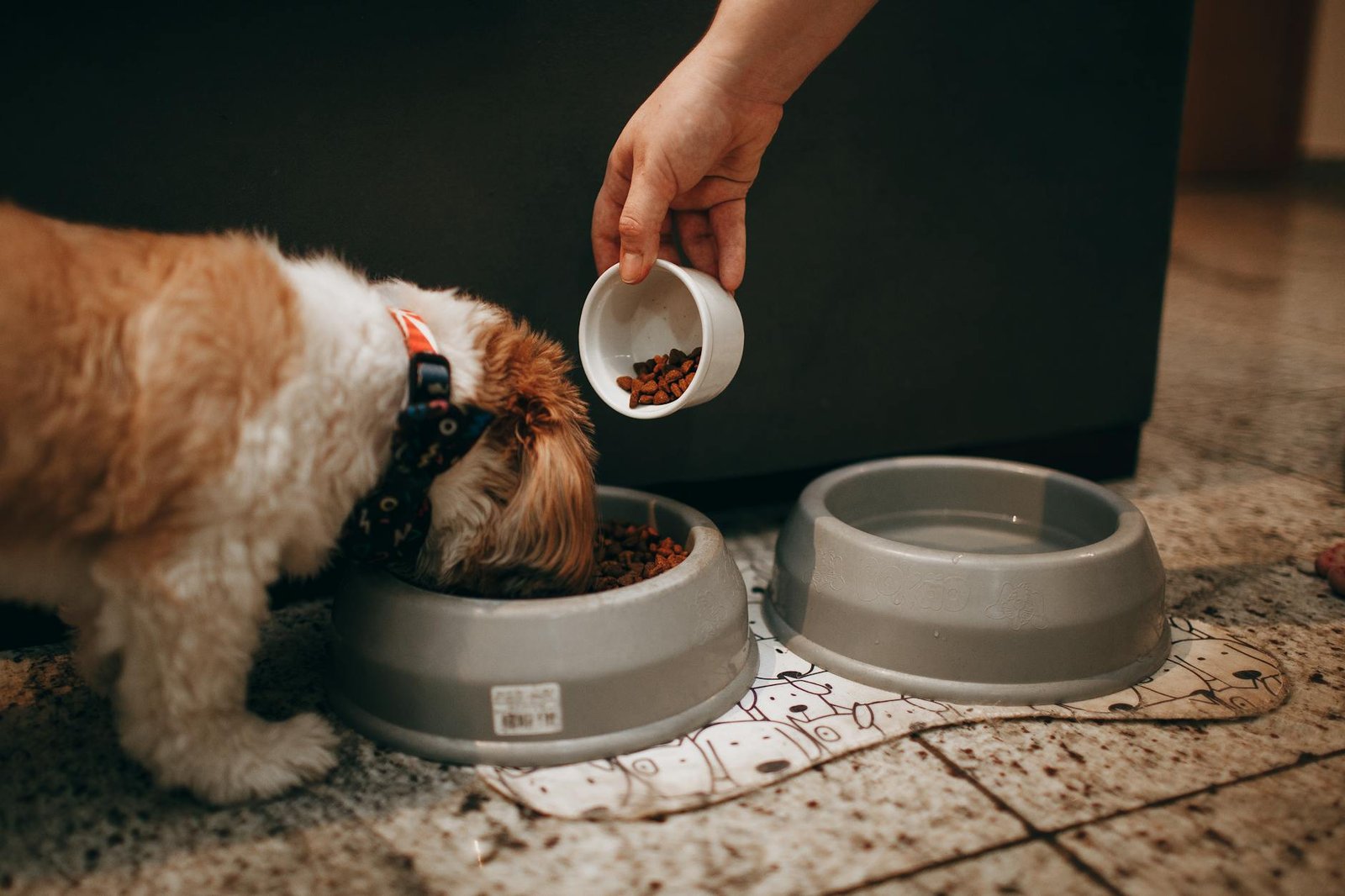

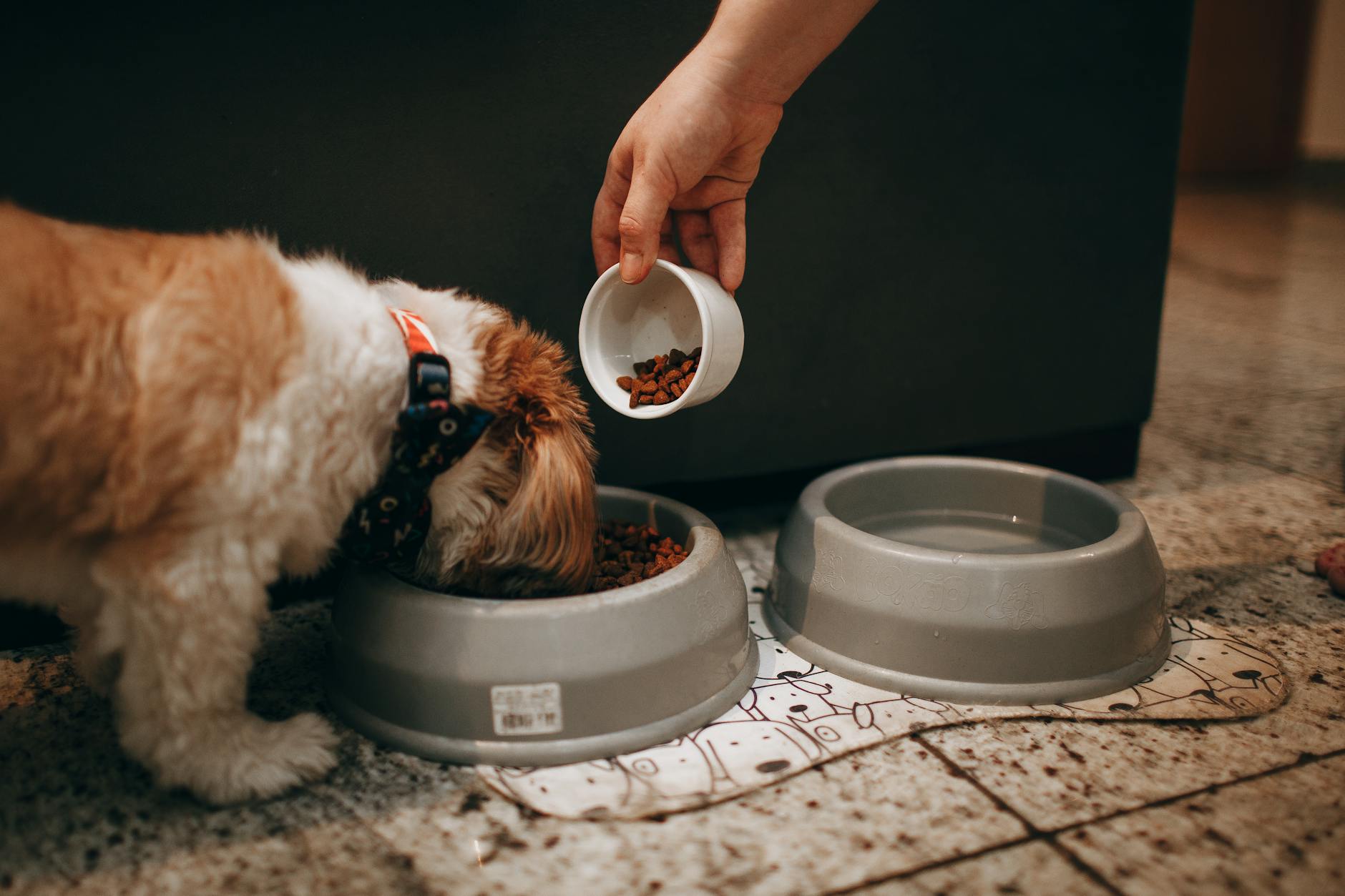
Are you a dedicated pet parent constantly seeking the absolute best for your furry companions? In an era where processed foods dominate supermarket shelves, a growing movement champions a return to ancestral diets for dogs and cats. This natural approach, known as raw feeding, focuses on providing species-appropriate nutrition that mirrors what canids and felines would consume in the wild. Among the myriad options, raw feeding for dogs and cat using rabbit meat and bones stands out as a superior choice, offering a lean, hypoallergenic, and nutrient-dense protein source. At Rabbit Ear Farms, we understand that true pet health begins with what’s in their bowl, and we’re here to guide you through embracing this wholesome, transparent, and ethically sourced dietary path in 2026 and beyond.
The Philosophy of Raw Feeding for Dogs and Cat Using Rabbit Meat and Bones
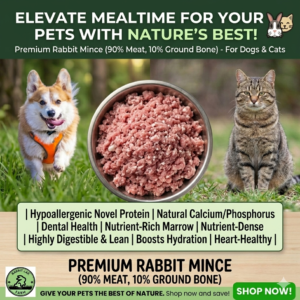
The foundation of raw feeding rests on the principle that dogs and cats are carnivores, genetically engineered to thrive on a diet primarily consisting of raw meat, organs, and bones. This isn’t a new fad; it’s a return to their biological norm, often referred to as the Biologically Appropriate Raw Food (BARF) diet or the Prey Model Raw (PMR) diet. These diets aim to replicate the nutritional composition of prey animals, which is inherently rich in protein, healthy fats, vitamins, and minerals that are often denatured or lost during the processing of conventional kibble. When considering raw feeding for dogs and cat using rabbit meat and bones, you’re not just offering food; you’re offering a pathway to vibrant health, tapping into millions of years of evolutionary diet. This approach minimizes exposure to artificial additives, fillers, and highly processed carbohydrates that can contribute to a range of modern pet ailments, from allergies to digestive issues. Embracing raw feeding means prioritizing the natural design of your beloved pets.
Why Rabbit Meat is Superior for Raw Pet Diets
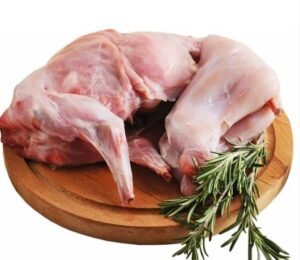
Rabbit meat is a powerhouse of nutrition, making it an exceptionally beneficial choice for pet diets. It’s often lauded as a “novel protein,” meaning many dogs and cats have not been previously exposed to it, which significantly reduces the likelihood of allergic reactions. This makes it an ideal option for pets suffering from food sensitivities or chronic allergies that conventional protein sources like chicken or beef might exacerbate. Beyond its hypoallergenic properties, rabbit is remarkably lean, boasting a lower fat and calorie content compared to many other meats, while still providing an excellent source of highly digestible protein. It’s also packed with essential nutrients, including B vitamins (especially B12), selenium, phosphorus, and niacin, all crucial for energy production, immune function, and overall cellular health. Furthermore, for pet parents committed to sustainability, rabbit meat offers a greener footprint. Rabbits are efficient converters of feed into protein, requiring less land and water than larger livestock, aligning perfectly with a conscious, ethical consumption philosophy. Choosing rabbit for raw feeding for dogs and cat using rabbit meat and bones isn’t just a nutritional upgrade; it’s an ethical and sustainable one. Learn more about its benefits for canine health on our dedicated page: Rabbit for Dog Health: A Canine Superfood.
Understanding the Components: Rabbit Meat, Organs, and Bones
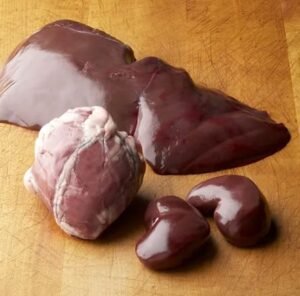
A truly balanced raw diet, especially when utilizing a whole prey animal like a rabbit, incorporates more than just muscle meat. To mimic a natural kill and provide a complete nutritional profile, it’s vital to include muscle meat, secreting organs, and edible bones in appropriate ratios. Muscle meat, the primary component, provides essential proteins, amino acids, and some fats. Secreting organs, such as liver and kidney, are nutrient bombs, offering concentrated doses of vitamins (especially fat-soluble A, D, E, K), trace minerals, and powerful antioxidants that muscle meat alone cannot provide. For instance, liver is a superfood for dogs and cats, crucial for detoxification and overall vitality. Edible bones, like those found in a rabbit carcass, are indispensable for calcium, phosphorus, and other minerals, vital for strong bones, teeth, and proper nerve function. The calcium-to-phosphorus ratio is critical for long-term health, and properly handled raw bones offer these minerals in their most bioavailable form. It’s the synergistic combination of these components that makes raw feeding for dogs and cat using rabbit meat and bones so effective and complete, supporting every aspect of your pet’s well-being. This holistic approach ensures your pets receive everything they need to thrive, just as nature intended.
The Role of Organs: Nutrient Powerhouses
Organ meats are often overlooked but are arguably the most nutrient-dense part of a raw diet. Liver, for example, is rich in Vitamin A, which is essential for vision, immune function, and skin health. Kidneys provide B vitamins and iron, supporting energy metabolism and red blood cell formation. Hearts, while technically a muscle, are considered a secreting organ in raw feeding circles due to their rich taurine content, especially vital for feline heart health. Spleen and pancreas offer different enzyme profiles and minerals. Including a variety of these organs ensures a broad spectrum of nutrients that are difficult to obtain from muscle meat alone. Aim for about 5-10% of the overall raw diet to be secreting organs, with liver comprising roughly half of that.
The Importance of Edible Bones
Raw, edible bones are not just for calcium; they are a vital source of phosphorus, marrow, and connective tissue. When ground or offered as appropriate whole pieces (like rabbit ribs or backs), they contribute significantly to dental health, acting as natural toothbrushes to scrape away plaque and tartar. Crucially, the bones must be raw and appropriate in size to prevent splintering and choking. Cooked bones become brittle and dangerous, so always ensure bones are raw. For raw feeding for dogs and cat using rabbit meat and bones, the relatively softer bones of a rabbit are generally safe for consumption, providing a balanced source of essential minerals.
Benefits of Raw Feeding for Dogs and Cat Using Rabbit Meat and Bones

The transition to a raw diet, especially one featuring the exceptional qualities of rabbit, brings forth a multitude of observable health benefits for your cherished pets. Pet parents consistently report dramatic improvements across various aspects of their animals’ health. One of the most immediate changes is often seen in digestive health; pets on raw diets typically produce smaller, firmer, less odorous stools, indicating better nutrient absorption and reduced waste. The natural enzymes present in raw food also aid digestion, leading to fewer gastrointestinal upsets. Furthermore, the high moisture content and nutrient density contribute to a remarkably healthier coat – softer, shinier, and with less shedding. Dental health also sees a significant boost, as chewing on raw meaty bones helps to naturally clean teeth, reducing plaque and tartar buildup and decreasing the need for costly dental procedures. Pet parents frequently observe increased energy levels, improved weight management, and a noticeable reduction in allergy symptoms like itchy skin, paw licking, and chronic ear infections. The holistic impact of raw feeding for dogs and cat using rabbit meat and bones extends to overall vitality, supporting a stronger immune system and a more resilient, happy pet. This is the natural path to optimal pet health.
Enhanced Skin and Coat Health
The rich fatty acids, vitamins, and minerals in raw rabbit meat are perfect for nurturing a vibrant coat and healthy skin. Pets often experience relief from dry, flaky skin, excessive shedding, and irritating hot spots. The natural oils help to maintain skin barrier integrity, protecting against environmental allergens and irritants.
Superior Dental Hygiene
Beyond just calcium and phosphorus, the act of tearing and chewing on raw meaty bones provides an essential physical cleaning action for teeth. This mechanical abrasion helps to naturally remove plaque and tartar, preventing gum disease and reducing bad breath, a common issue for pets on kibble-only diets.
Allergy Relief and Immune Support
For pets struggling with food sensitivities, rabbit’s novel protein status makes it a game-changer. By removing common allergens found in processed foods and introducing a highly digestible, nutrient-rich protein, many allergy symptoms subside. A robust gut, nurtured by raw food, directly translates to a stronger immune system, helping pets ward off illness more effectively.
Sourcing Ethical and Sustainable Rabbit for Your Pets

At Rabbit Ear Farms, our commitment goes beyond merely providing premium meat; it extends to upholding the highest standards of ethical farming and environmental sustainability. For those dedicated to raw feeding for dogs and cat using rabbit meat and bones, knowing the origin of your pet’s food is paramount. We believe in transparency and practices that ensure our rabbits are raised in humane, clean, and stress-free environments, free from hormones, antibiotics, and harmful chemicals. This dedication to natural rearing translates directly into the quality of the meat – lean, pure, and packed with the nutrients your pets need without any unwanted additives. Our sustainable farming methods minimize environmental impact, reflecting our belief that caring for the planet is as important as caring for our pets. By choosing Rabbit Ear Farms, you’re not just selecting a superior protein source; you’re supporting a philosophy that values animal welfare, ecological responsibility, and the inherent simplicity of chemical-free, natural nutrition. Your pet deserves the best, and the best starts with responsibly sourced ingredients. For a deeper dive into our practices, visit our About Us page.
Transitioning Your Pet to a Raw Rabbit Diet

Transitioning your dog or cat to a raw diet, particularly one centered around rabbit, should be a gradual and thoughtful process to ensure digestive comfort and acceptance. While some pets adapt instantly, others may need more time. The most common method involves a slow introduction, gradually replacing a portion of their current food with the new raw rabbit mixture over several days or even weeks. For dogs, you might start by substituting 10-25% of a meal with raw rabbit, slowly increasing the ratio over 5-7 days. For cats, who can be notoriously finicky, a slower approach might involve offering a small amount of raw rabbit alongside their existing food, or even lightly searing the raw meat initially to make it more appealing. Ensure you’re providing a complete and balanced diet during this transition, incorporating appropriate ratios of muscle meat, organs, and bones. Always monitor your pet’s stool consistency and energy levels, adjusting the pace as needed. Patience is key, but the rewards of seeing your pet thrive on raw feeding for dogs and cat using rabbit meat and bones are immeasurable. Consulting with a holistic vet or a pet nutritionist experienced in raw feeding can also provide invaluable personalized guidance.
Gradual Introduction Methods
One effective method is “cold turkey” for some dogs, where you switch completely overnight. However, for most pets, especially those with sensitive stomachs or older animals, a gradual approach is safer. Another technique for picky eaters, particularly cats, is to use a “smear and serve” method where a tiny amount of raw rabbit is smeared onto their current food, increasing the amount as they get used to the taste and texture. Adding a probiotic supplement can also help ease the digestive system during the transition period.
Crafting a Balanced Raw Rabbit Meal Plan

Creating a complete and balanced meal plan for raw feeding for dogs and cat using rabbit meat and bones requires understanding the proper ratios to ensure your pets receive all necessary nutrients. The Prey Model Raw (PMR) diet typically suggests a ratio of 80% muscle meat, 10% edible bone, 5% liver, and 5% other secreting organs. For a more tailored approach, especially for those who prefer adding a small amount of plant matter, the BARF diet allows for up to 10-15% of fruits, vegetables, and supplements. When using whole rabbit, you’re naturally getting closer to these ratios. For instance, a whole dressed rabbit often provides a good proportion of muscle meat and bone, and by supplementing with additional liver and other secreting organs, you can easily achieve balance. It’s crucial to offer variety over time; while rabbit can be a staple, occasionally incorporating other novel proteins like duck or venison (if your pet tolerates them) can provide an even broader spectrum of nutrients. Remember, balance is achieved over weeks, not necessarily every single meal. Consider your pet’s age, activity level, and any specific health conditions when determining portion sizes and dietary needs. For limited ingredient options, explore our Limited Ingredient Dog Food: A Gentle Choice.
Recommended Ratios for PMR
- 80% Muscle Meat: This is the bulk of the diet, providing protein, amino acids, and fats. This includes the meat from the rabbit itself.
- 10% Edible Bone: Crucial for calcium and phosphorus. Rabbit bones are generally softer and more digestible than larger animal bones.
- 5% Liver: A powerhouse of vitamins and minerals. It’s important not to exceed this, as too much Vitamin A can be harmful.
- 5% Other Secreting Organs: Including kidney, spleen, pancreas, or even brain. This provides a diverse array of micronutrients. Hearts are often included in the muscle meat category but are a great source of taurine.
Addressing Common Concerns: Safety, Bacteria, and Choking Hazards

While raw feeding for dogs and cat using rabbit meat and bones offers profound health benefits, it’s natural for pet parents to have concerns regarding safety. Proper handling of raw meat is paramount to mitigate risks from bacteria like Salmonella or E. coli, both for your pets and your household. Always practice excellent kitchen hygiene: wash hands thoroughly after handling raw meat, sanitize all surfaces and bowls, and keep raw food separate from human food. Remember that dogs and cats have shorter, more acidic digestive tracts designed to handle bacteria effectively, unlike humans. The risk of foodborne illness in healthy pets on a raw diet is relatively low. Regarding choking hazards, the key is to feed appropriate raw, edible bones. Never feed cooked bones, as they become brittle and can splinter. Rabbit bones are generally softer than those of larger animals, making them safer for chewing. Supervise your pets, especially during the initial stages, to ensure they chew rather than swallow bones whole. If you’re concerned about whole bones, grinding the rabbit carcass is an excellent alternative that still provides the necessary nutrients without the choking risk. Always consult with your veterinarian, especially if your pet has pre-existing health conditions, to ensure raw feeding is appropriate for their specific needs. For more about specific proteins, consider Single Protein Dog Food: Path to Optimal Pet Health.
Raw Meat Handling and Hygiene
To minimize bacterial risks:
- Thaw safely: Thaw raw rabbit in the refrigerator, not at room temperature.
- Separate storage: Store raw pet food away from human food.
- Sanitize: Clean bowls, utensils, and food preparation surfaces with hot, soapy water or a disinfectant after each use.
- Wash hands: Always wash your hands thoroughly before and after handling raw meat.
- Dispose properly: Promptly discard any uneaten raw food to prevent spoilage.
Addressing Bacterial Concerns
While raw meat can contain bacteria, a healthy pet’s digestive system is naturally equipped to handle them. The highly acidic stomach and short intestinal tract in dogs and cats are designed to process raw prey, including its bacterial load. Most concerns stem from cross-contamination to humans, which is why strict hygiene protocols are essential, mirroring those used when preparing raw chicken or other meats for human consumption. For further reading on the general safety of raw pet diets, reputable sources such as the American Veterinary Medical Association (AVMA) or academic veterinary journals offer perspectives on best practices and potential considerations. A comprehensive guide to food safety for raw pet food is available from The Association of American Feed Control Officials (AAFCO) [External Link].
Beyond Main Meals: Rabbit Treats and Supplements
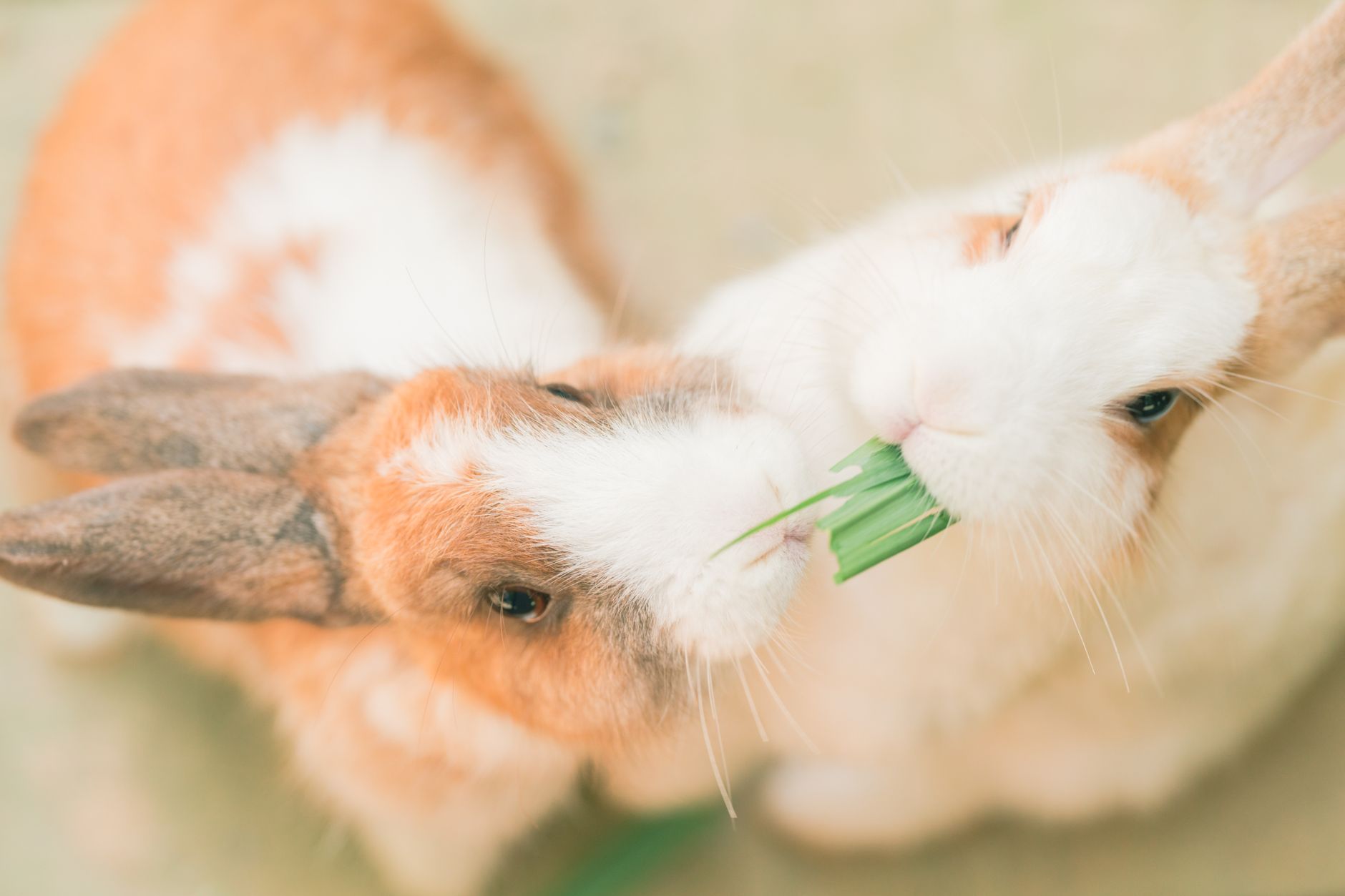
The philosophy of raw feeding for dogs and cat using rabbit meat and bones extends beyond just their main meals; it influences their treats and supplements as well. Instead of processed, additive-laden snacks, consider single-ingredient rabbit treats that reinforce the natural goodness of their diet. Rabbit Ear Farms offers a range of pure, chemical-free rabbit products perfectly suited for this purpose. Dried rabbit ears, for example, are not only a delicious and engaging chew but also provide natural sources of chondroitin and glucosamine, beneficial for joint health. Rabbit feet, heads, or even small pieces of dried rabbit meat offer excellent protein boosts and mental stimulation. These treats serve a dual purpose: they satisfy a pet’s natural urge to chew and consume whole foods, while also providing additional nutritional benefits without any artificial colors, flavors, or preservatives. By choosing natural rabbit treats, you maintain dietary consistency and ensure that every bite contributes positively to your pet’s overall health and well-being. This consistency in natural, single-ingredient nutrition is key to unlocking their full health potential. Discover our selection of wholesome treats: Pure Goodness: Single Ingredient Dog Treats for Health.
The Benefits of Single-Ingredient Rabbit Treats
Single-ingredient treats are excellent for pets with sensitivities, as they eliminate common allergens and unnecessary fillers. They provide natural enrichment, satisfy chewing instincts, and often contain naturally occurring nutrients that support various bodily functions. For instance, the fur on rabbit ears acts as a natural dewormer and provides fiber, aiding digestive health.
Minimal Supplementation
With a well-balanced raw diet incorporating muscle meat, organs, and bones, the need for extensive supplementation is often minimal or non-existent. However, certain situations, such as specific health conditions, senior pets, or growth stages, might warrant targeted supplements under veterinary guidance. Always prioritize whole food nutrition first. For a comprehensive overview of rabbit as a versatile pet food ingredient, consider visiting the Wikipedia page on Rabbit (meat) [External Link] which touches upon its uses beyond human consumption.
Conclusion
Embracing raw feeding for dogs and cat using rabbit meat and bones is more than just a dietary choice; it’s a commitment to your pet’s optimal health, echoing their ancestral diet with wholesome, natural nutrition. From the exceptional lean protein and hypoallergenic properties of rabbit meat to the vital nutrients found in its organs and bones, this approach offers unparalleled benefits: improved digestion, lustrous coats, superior dental health, reduced allergies, and increased vitality. At Rabbit Ear Farms, we are proud to provide ethically raised, sustainable, and chemical-free rabbit products, empowering you to give your beloved companions the very best. Make the informed choice for a healthier, happier future for your pets. Explore our premium selection and begin their journey to optimal health today. Visit our Shop to discover the difference quality rabbit meat can make!
